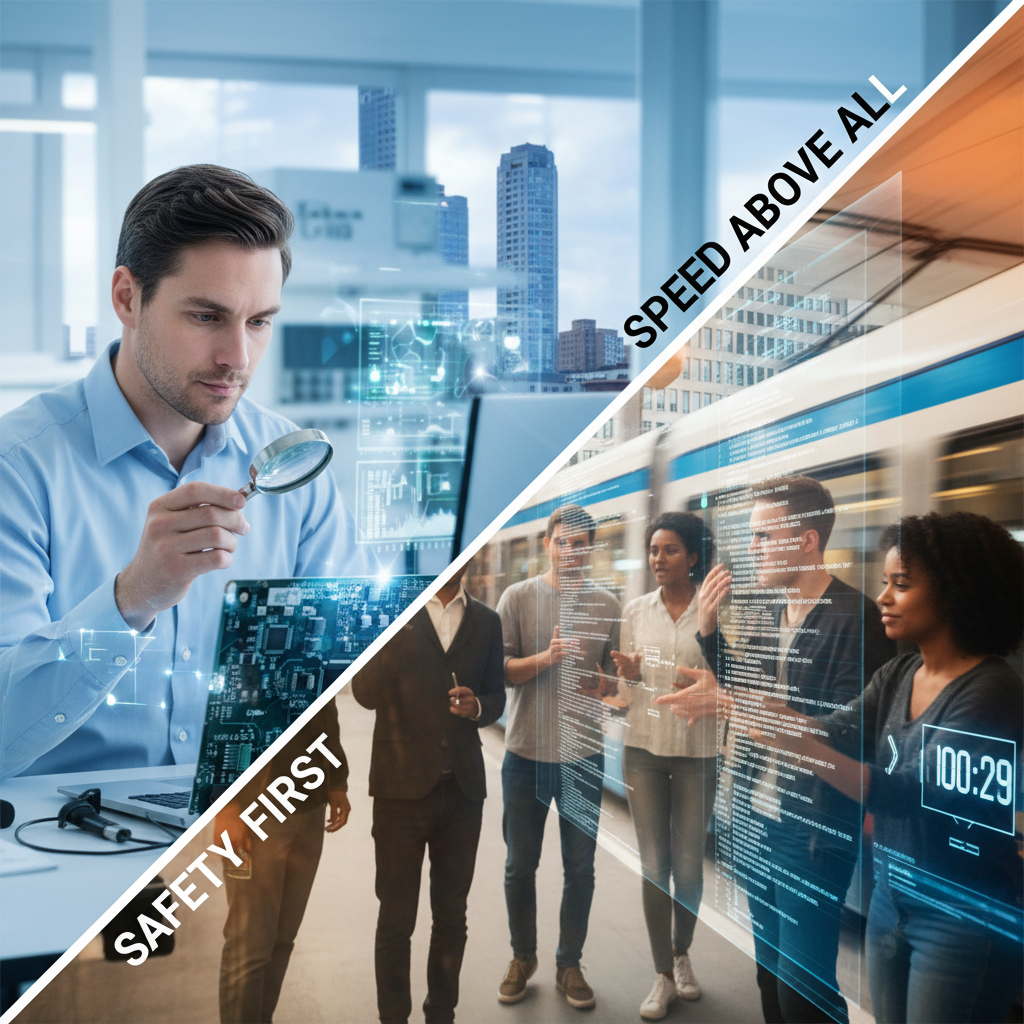
The pursuit of artificial general intelligence, or AGI, has become the defining technological narrative of our era. Yet, beneath the surface of breathless innovation and multi-billion dollar investments, a fundamental philosophical schism is widening. On one side stands OpenAI, the high-profile developer of ChatGPT, known for its aggressive product releases and a stated mission to build AGI for all of humanity. On the other, Anthropic, founded by former OpenAI researchers, champions a more cautious, 'safety first' approach, epitomized by its Claude models and a commitment to constitutional AI. From a Swedish vantage point, this divergence is not merely an academic debate; it represents a crucial fork in the road for how AI will integrate into our societies, economies, and democratic structures.
OpenAI, under the leadership of Sam Altman, has consistently pushed the boundaries of what large language models can achieve. The rapid iteration of its GPT series, culminating in models like GPT-4 and its subsequent enhancements, has undeniably democratized access to powerful generative AI. Its partnerships, most notably with Microsoft, have injected billions into its research and deployment efforts, accelerating its trajectory. The company's strategy appears to be one of rapid development, deployment, and learning from real-world interaction, often with the implicit understanding that societal adjustments will follow. This 'release early, release often' mentality, while fostering immense innovation, has also drawn criticism regarding ethical considerations, potential misuse, and the sheer speed at which these transformative technologies are introduced.
Anthropic, co-founded by Dario Amodei and Daniela Amodei, emerged from a desire to prioritize safety and alignment research from the outset. Their 'constitutional AI' approach, which involves training AI models to adhere to a set of principles, aims to imbue these systems with a form of ethical reasoning. This methodology seeks to proactively mitigate risks such as bias, hallucination, and harmful outputs, rather than addressing them reactively. While perhaps perceived as slower in its public-facing releases compared to OpenAI, Anthropic's methodical development has garnered significant investment, including substantial backing from Amazon and Google, validating its strategic direction. The company's focus on transparency and rigorous internal testing resonates deeply with the Nordic emphasis on societal trust and long-term sustainability.
Let's look at the evidence. OpenAI's market penetration is undeniable. Its tools are integrated into countless applications, from coding assistants to content generation platforms. The sheer volume of users interacting with ChatGPT, estimated to be well over 100 million weekly active users, provides an unparalleled feedback loop for improvement and refinement. However, this widespread adoption also amplifies concerns about data privacy, intellectual property rights, and the potential for deepfakes and misinformation. The European Union, through its AI Act, has already signaled a strong regulatory stance, and Sweden, a proponent of robust data protection, is keenly aware of these implications.
Conversely, Anthropic's Claude models, particularly Claude 3 Opus, have demonstrated impressive capabilities, often matching or exceeding competitors in certain benchmarks, while maintaining a strong emphasis on safety. Its appeal to enterprises and governments that prioritize reliability and ethical deployment is growing. As one prominent European AI ethicist, Dr. Helena Forsman from the KTH Royal Institute of Technology in Stockholm, recently stated, "The rush to deploy powerful AI without sufficient guardrails is a gamble we cannot afford. Anthropic's deliberate approach, while perhaps less flashy, offers a more responsible path for integrating these systems into critical infrastructure and public services." This sentiment echoes a broader European desire for AI development that aligns with fundamental rights and democratic values.
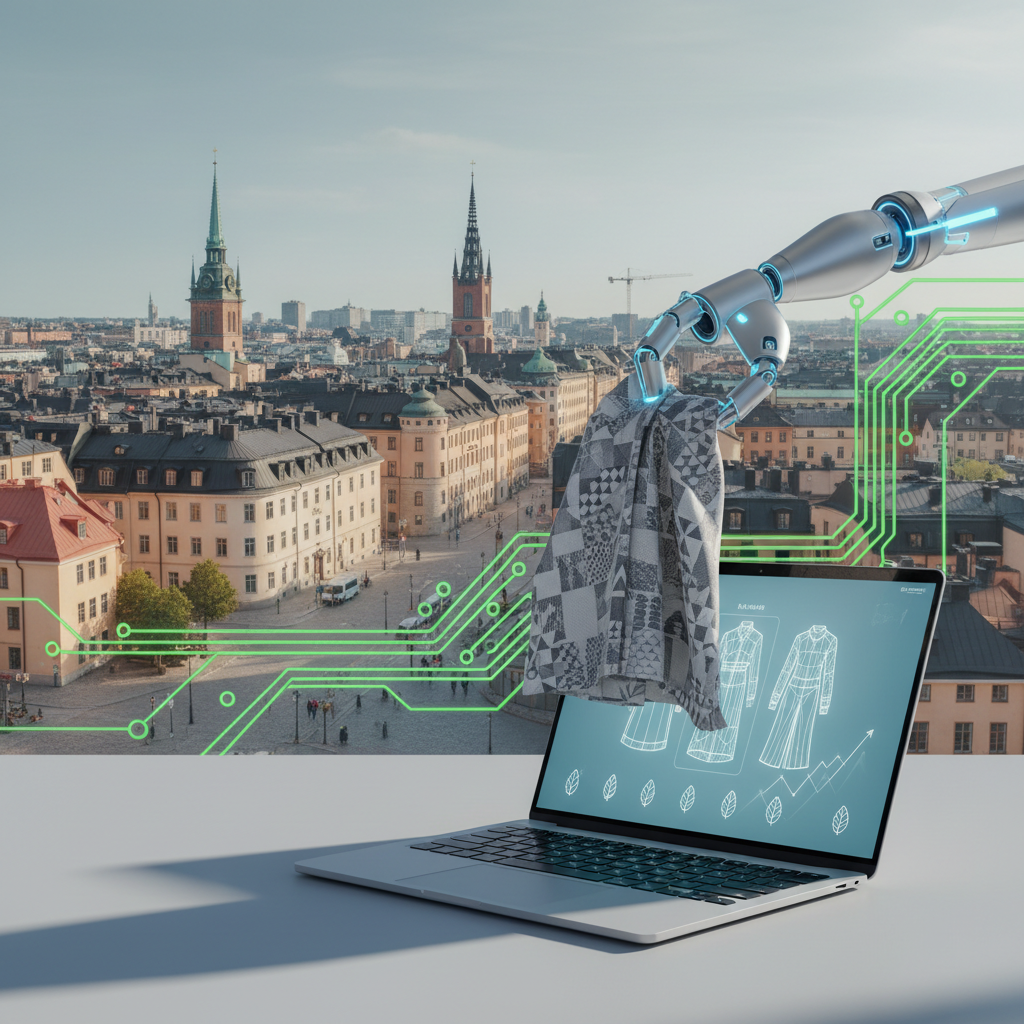
The Swedish model suggests a different approach to technological adoption, one that often prioritizes collective benefit and societal resilience over unbridled individualistic innovation. Our history with data privacy, exemplified by the Swedish Data Protection Authority, and our commitment to public discourse, means that the rapid, often opaque, deployment strategies seen elsewhere are met with a healthy skepticism. The question for many here is not just 'can we build it,' but 'should we build it this way,' and 'what are the long-term consequences for our welfare state and social cohesion?'
The economic implications of these divergent philosophies are also significant. For Swedish companies, whether startups or established enterprises, choosing an AI partner involves weighing immediate utility against long-term risk. An organization might gain a competitive edge by rapidly deploying an OpenAI model, but it could also expose itself to unforeseen regulatory hurdles or reputational damage if the model behaves unexpectedly. Conversely, opting for Anthropic's more controlled environment might mean a slightly slower initial rollout, but potentially greater stability and compliance in the long run. This trade-off is becoming a central boardroom discussion across Stockholm and Gothenburg.
The geopolitical dimension cannot be ignored either. As nations grapple with AI's potential for both good and harm, the philosophies of these leading developers influence national AI strategies. The United States, with its strong venture capital ecosystem, often leans towards rapid innovation. Europe, however, with its emphasis on human-centric AI, finds Anthropic's ethos more congruent with its regulatory framework, such as the landmark AI Act. This legislative effort, which Sweden actively supports, aims to categorize AI systems by risk level and impose stringent requirements on high-risk applications. The very design principles of Anthropic's models appear to be more naturally aligned with these upcoming regulations.
Ultimately, the contrasting philosophies of OpenAI and Anthropic reflect a deeper societal debate about control, responsibility, and the future trajectory of humanity itself. OpenAI's vision, while inspiring to many for its audacious pursuit of AGI, carries inherent risks associated with its speed and scale. Anthropic's deliberate, safety-focused development offers a compelling alternative, particularly for regions like Sweden and the broader European Union, where ethical considerations and regulatory foresight are paramount. As the capabilities of AI continue to expand at an astonishing pace, the choice between these two paths will profoundly shape not only the technology itself, but also the societies it serves. The world watches, and Sweden, ever pragmatic, evaluates the evidence with a critical eye, understanding that the implications extend far beyond mere technological prowess. For more insights into the broader AI landscape, consider exploring Reuters' technology section for global developments.