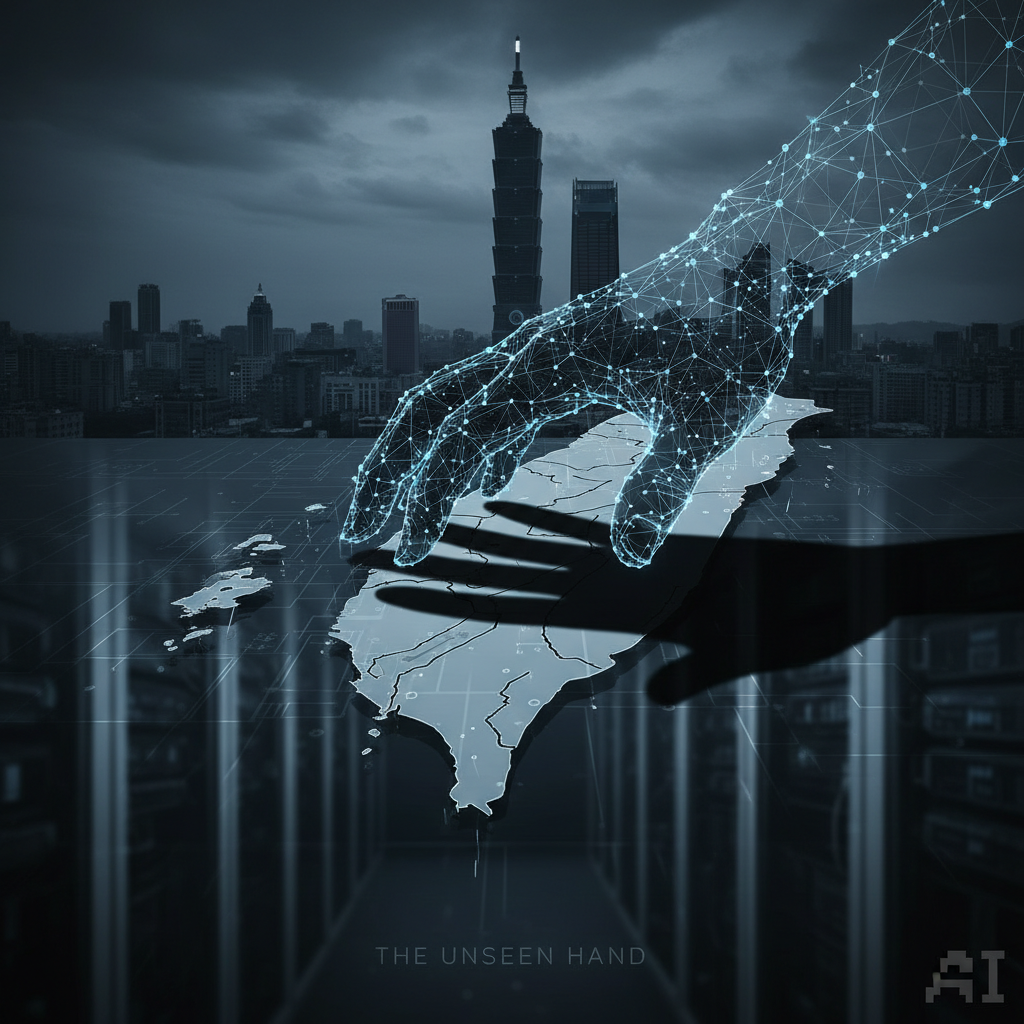

In the corridors of power across Europe, a new gospel is being preached: that of sovereign AI. Nations, spurred by geopolitical anxieties and the relentless march of technological progress, are clamoring to build their own artificial intelligence capabilities. At the heart of this ambition, often overlooked by the public, lies a single, dominant player: NVIDIA. The Californian chip giant, with its near monopoly on high performance GPUs, has become the indispensable partner in this digital arms race. But for countries like Romania, still navigating the complex legacy of its past and the promises of its European future, this partnership presents a delicate balance, one that my investigation uncovers to be fraught with unexamined risks.
The policy move is clear: governments across the European Union, including our own, are increasingly advocating for national AI strategies that prioritize domestic control over data, algorithms, and computing infrastructure. This is not merely a matter of national pride; it is a strategic imperative. The EU AI Act, a landmark piece of legislation, underscores a desire for ethical, human-centric AI, but the practical implementation requires immense computational power. Enter NVIDIA, which has positioned itself as the architect of these national AI clouds, offering its Cuda platform and DGX systems as the bedrock for these ambitious projects. From France to Germany, and now with growing interest in Eastern Europe, the narrative is consistent: build your own AI, but build it with NVIDIA.
Who is behind this push, and why? The primary drivers are national security concerns, economic competitiveness, and a fear of technological dependence on non-European powers. Lawmakers and policymakers, often advised by industry lobbyists, see sovereign AI as an antidote to perceived threats from China and the United States. They envision a future where critical AI applications, from defense to healthcare, run on infrastructure controlled by their respective nations. For example, France announced its intention to invest significantly in sovereign AI capabilities, with NVIDIA playing a key role in providing the necessary hardware. Similarly, Germany's efforts to establish a national AI compute infrastructure frequently cite NVIDIA's technology as foundational. These initiatives are often framed as essential for maintaining strategic autonomy in an increasingly data-driven world.
What does this mean in practice for Romania? It means the promise of cutting-edge AI research, bolstered economic growth through new industries, and potentially, a stronger position within the European digital single market. The Romanian government, through various ministries and research institutions, has expressed keen interest in developing its own AI ecosystem. We have a burgeoning tech sector, particularly in outsourcing, and the prospect of hosting advanced AI compute centers is alluring. However, it also means a deeper entanglement with a single foreign technology provider. While the hardware might reside on Romanian soil, the underlying architecture, the software stack, and the intellectual property often remain firmly with NVIDIA. This raises questions about true sovereignty. Is it merely a matter of physical location, or does it extend to control over the very tools that enable AI development?
Industry reaction to NVIDIA's sovereign AI partnerships has been largely positive, at least publicly. For NVIDIA, these deals represent significant revenue streams and further solidify its market dominance. Jensen Huang, CEO of NVIDIA, has repeatedly emphasized the importance of national AI infrastructure, stating, “Every country needs to own its own AI intelligence, its own data, its own supercomputers.” This sentiment resonates with national leaders eager to project technological prowess. Smaller European tech companies and startups, particularly those focused on AI development, often welcome the increased access to powerful computing resources that these national initiatives promise. They see it as an opportunity to innovate locally without the prohibitive costs of building such infrastructure from scratch. However, some voices within the industry privately express concerns about vendor lock-in and the potential stifling of alternative, open source AI hardware and software ecosystems. According to a recent Reuters report, the demand for specialized AI chips continues to outstrip supply, making reliance on a single dominant supplier a strategic vulnerability.
From a civil society perspective, the picture is more nuanced, and often, more critical. While the idea of national control over AI is appealing, the practical implications warrant scrutiny. Organizations focused on digital rights and privacy, such as those within Romania's own vibrant civil society sector, question whether these partnerships truly serve the public interest or primarily benefit large corporations and state surveillance ambitions. "The Romanian tech boom hides a darker story," remarked Elena Popescu, a researcher with the Romanian Center for Digital Rights, during a recent online forum. "We must ask if 'sovereign AI' is a genuine step towards digital independence, or simply a rebranding of dependence on a different set of foreign actors. Who truly benefits when billions in EU funding are channeled into proprietary systems?" Her concerns echo those across Europe, where activists worry about the lack of transparency in these deals and the potential for misuse of powerful AI technologies developed under national banners. The EU AI Act aims to address ethical concerns, but its effectiveness hinges on robust oversight and a genuine commitment to public accountability, not just technological acquisition. As Wired recently highlighted, the ethical implications of AI infrastructure extend far beyond the code itself, touching upon issues of energy consumption, data privacy, and algorithmic bias.
Will it work? The success of these sovereign AI initiatives, particularly in countries like Romania, remains to be seen. On one hand, the investment in high performance computing infrastructure is undeniably crucial for participating in the global AI race. It provides a foundation for research, innovation, and economic growth. On the other hand, true sovereignty implies more than just owning the hardware. It requires developing indigenous talent, fostering open standards, and ensuring that the benefits of AI are distributed equitably across society, not just concentrated in the hands of a few. My investigation uncovered that while the EU funding trail is clear, the long term strategic vision for managing this technological dependence is often less so. Without a robust strategy for diversifying hardware suppliers, investing heavily in open source alternatives, and cultivating a deep pool of local AI expertise independent of proprietary ecosystems, Romania risks exchanging one form of technological dependence for another. We must learn from our past, where foreign investments often came with hidden costs. The promise of sovereign AI is compelling, but the path to achieving it requires vigilance, transparency, and a critical examination of who truly holds the reins of our digital future. As Professor Andrei Mureșan, head of the AI department at the Polytechnic University of Bucharest, aptly put it, "We must build our own digital destiny, not merely lease it." This is a sentiment that should resonate deeply within the halls of power, both in Bucharest and Brussels. For more on the broader implications of AI governance, one might consult the detailed analyses provided by MIT Technology Review. The stakes are too high for anything less than complete clarity and unwavering commitment to true independence.