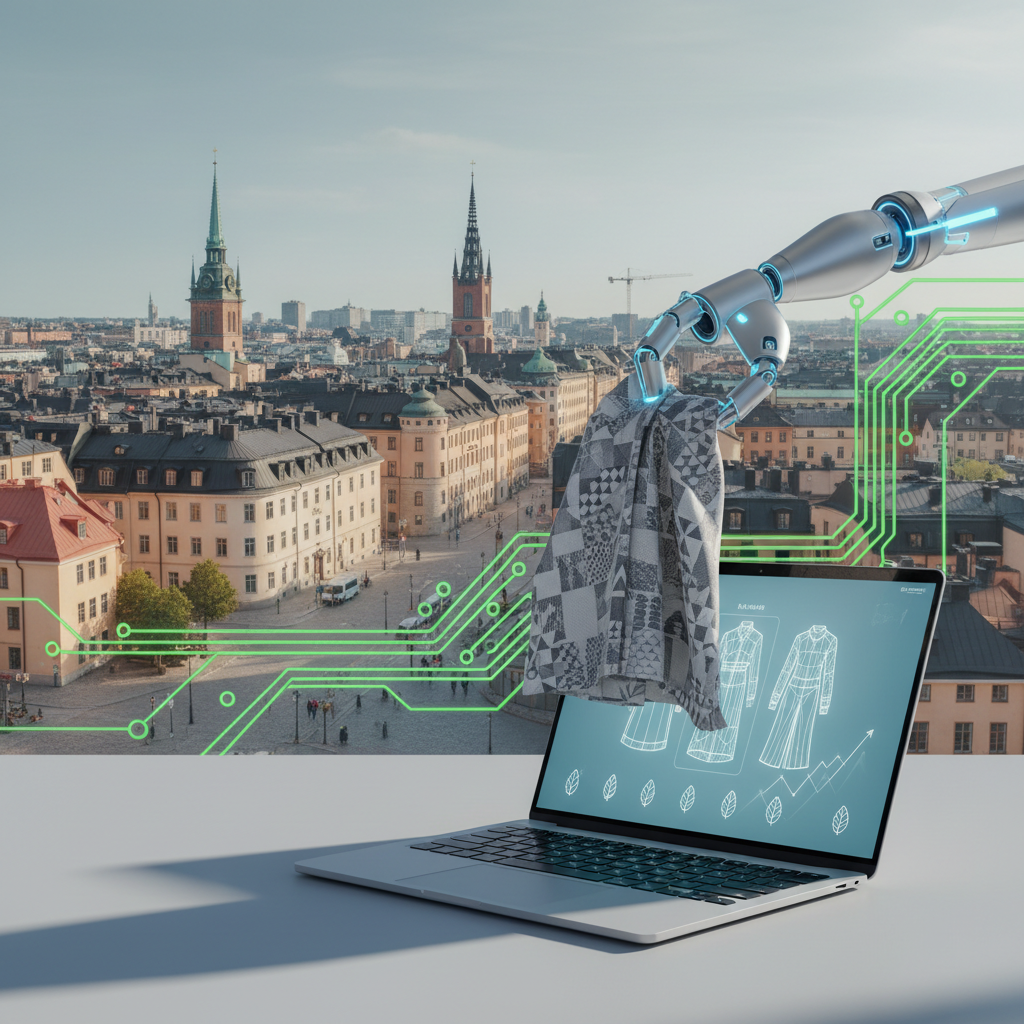

¡Hola, mis amigos! Marisolò Garcíà here, and let me tell you, the air in Barcelona is buzzing, not just with the scent of jasmine and the chatter of tapas bars, but with the electrifying hum of artificial intelligence reshaping our world. Today, I want to talk about something truly vital, something that keeps the digital heart of our enterprises beating safely: AI-powered cybersecurity. Specifically, the real-time detection of threats across those sprawling, intricate networks. Everyone is talking about it, from the boardrooms of Madrid to the bustling tech hubs of Málaga, but I believe we need a dose of Spanish realism, a touch of our unique 'duende,' to truly grasp its potential and its pitfalls.
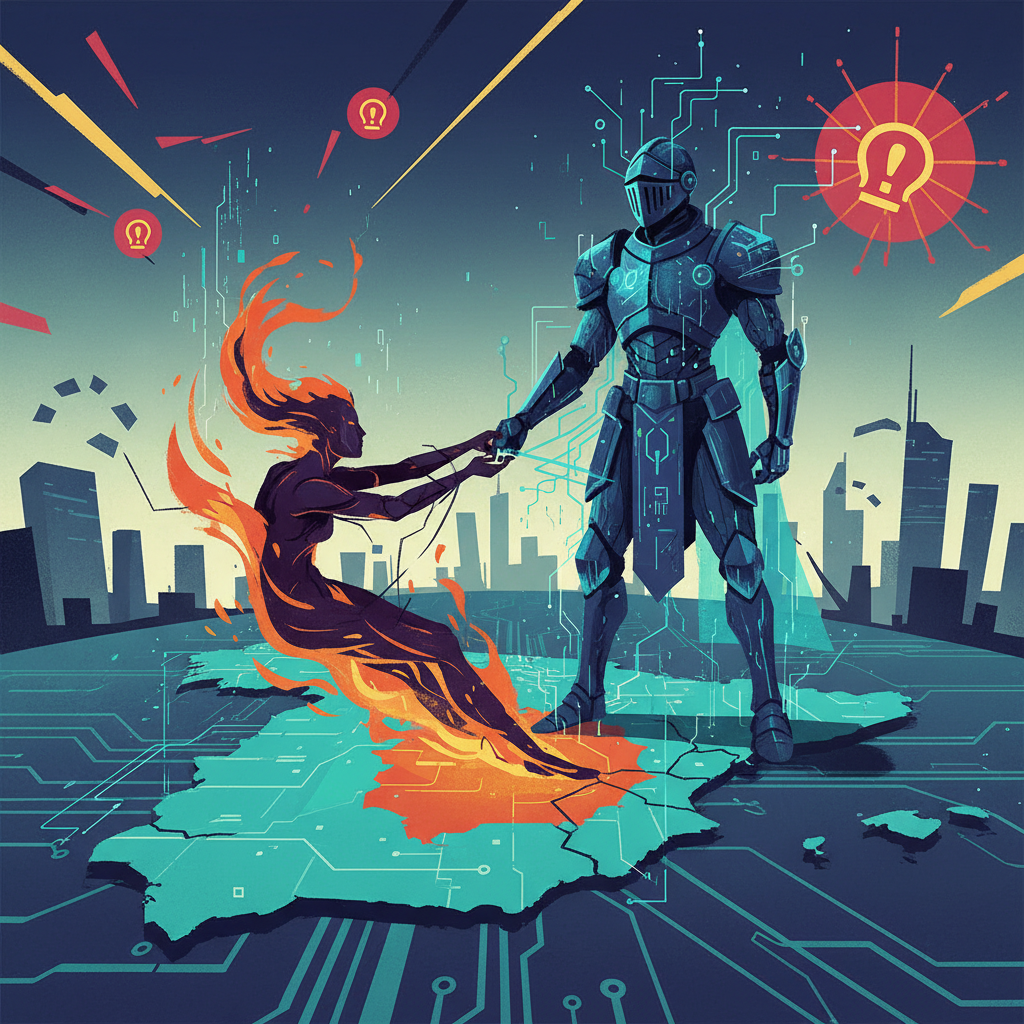
We are living in an era where cyberattacks are not just growing in number, but in sophistication. It is a constant digital cat-and-mouse game, and frankly, the humans were starting to lose. The sheer volume of data, the lightning speed of new malware variants, the cunning of state-sponsored actors, it was overwhelming. Enter AI, the shining knight in digital armor, promising to sift through the noise, identify anomalies, and predict the next move before it even happens. Companies like Microsoft, with its formidable Sentinel platform, are leading the charge, integrating advanced machine learning to analyze petabytes of security data. Google's Chronicle Security Operations is doing similar heavy lifting, using AI to correlate events across vast infrastructures. This is not just an upgrade; it is a paradigm shift, a necessary evolution in our digital defense strategy.
My argument is clear: AI-powered real-time threat detection is not merely beneficial; it is absolutely indispensable for enterprise survival in 2026 and beyond. Spain's AI moment has arrived, and with it, a critical need to secure our burgeoning digital economy. Imagine a large Spanish bank, managing millions of transactions daily, or a leading renewable energy firm, overseeing critical infrastructure. They are under constant siege. A human security analyst, no matter how brilliant, cannot possibly keep pace with thousands of alerts per second, each a potential breach. AI can. It can learn normal network behavior, spot deviations in milliseconds, and even identify zero-day exploits by recognizing patterns no human has ever seen. This is not about replacing our dedicated cybersecurity professionals; it is about empowering them with a superpower, giving them the tools to fight a battle that was previously unwinnable.
Just last month, I spoke with Dr. Elena Navarro, Head of Cybersecurity Innovation at Telefónica Tech. She told me,