The digital landscape is shifting beneath our feet, not with the rumble of new algorithms, but with the soft, synthesized whispers of AI influencers. These virtual celebrities, crafted by sophisticated algorithms and rendered with photorealistic precision, are no longer a niche curiosity. They command millions of followers, secure lucrative brand deals, and are rapidly becoming a dominant force in the American cultural economy. From Meta's burgeoning stable of digital avatars to independent studios churning out bespoke virtual personalities, this phenomenon is far more than just a passing trend; it is a meticulously engineered industry with profound implications for our society, economy, and even our understanding of authenticity.
Most people, caught in the relentless churn of daily life, are likely dismissing these AI influencers as mere digital novelties, another fleeting distraction on social media. They see a flawlessly sculpted face promoting a new fashion line or a perfectly articulate voice reviewing a tech gadget, and they scroll past, perhaps amused, perhaps a little unnerved. The attention gap here is colossal. We are conditioned to view influence through a human lens, to seek out the relatable flaws and triumphs of flesh-and-blood personalities. Yet, these AI constructs are designed to bypass those traditional expectations, offering an idealized, unproblematic, and infinitely scalable form of celebrity. This oversight is dangerous, akin to ignoring the foundational shifts occurring beneath a seemingly calm surface.
How does this affect YOU, the everyday American consumer and citizen? Consider the advertising dollars. Brands, from luxury fashion houses to fast-food chains, are pouring millions into campaigns featuring AI influencers. Why? Because these virtual entities offer unparalleled control, consistent messaging, and the ability to operate 24/7 without human error, scandals, or salary demands beyond their initial creation and maintenance. This means traditional human influencers, models, and actors are facing unprecedented competition, potentially eroding their market value and job security. Furthermore, the content these AI influencers produce is often indistinguishable from human-generated material, blurring the lines of reality and making it harder for consumers to discern genuine human experience from algorithmic fabrication. Your perception of reality, your purchasing decisions, and even your aesthetic ideals are being subtly, yet powerfully, shaped by non-human entities. The lobbying records tell a different story than the glossy Instagram feeds, revealing a concerted effort by tech giants to normalize and monetize these synthetic personalities.
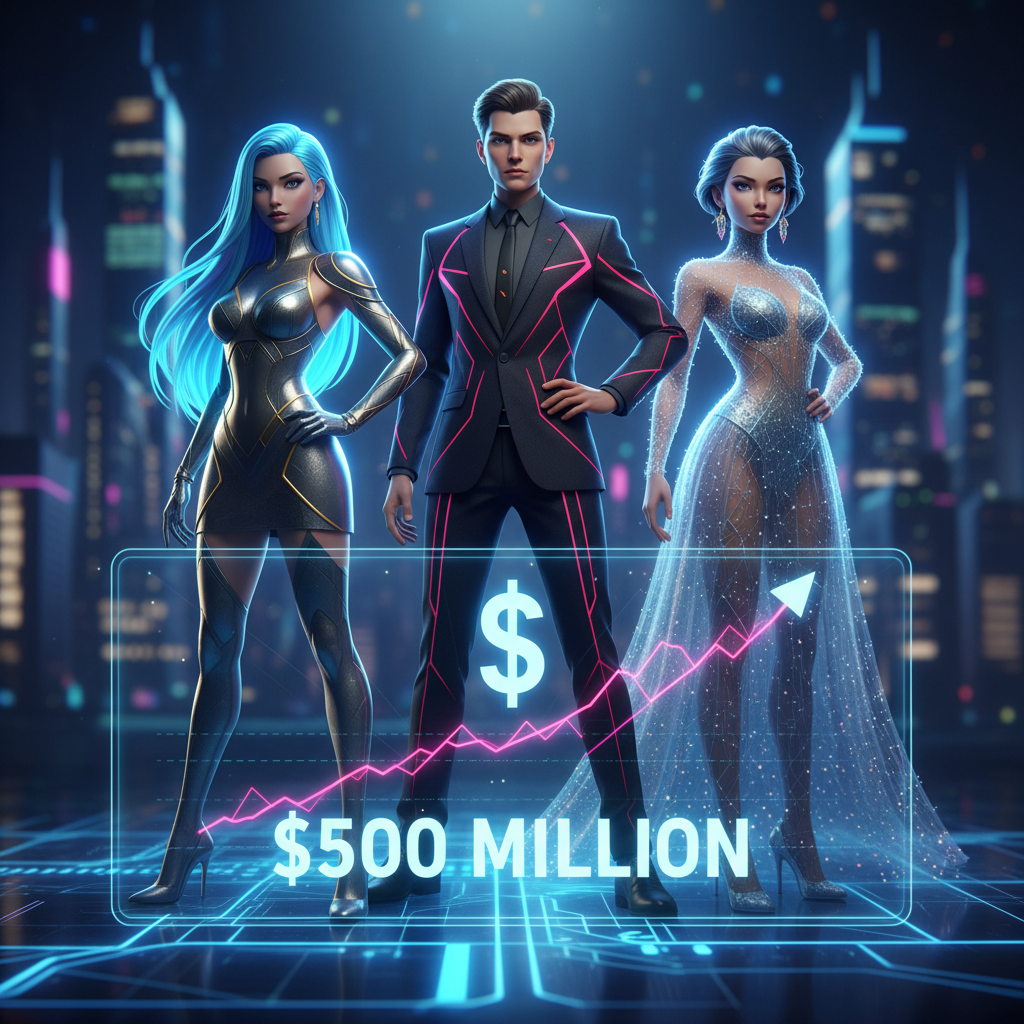
The bigger picture reveals a landscape ripe for exploitation and significant societal upheaval. Economically, the AI influencer market is projected to exceed $500 million globally by 2027, with a substantial portion of that revenue flowing through American tech companies and advertising agencies. This creates new wealth, certainly, but it also centralizes power in the hands of those who own and operate the underlying AI models. Societally, the proliferation of idealized, unaging, and unblemished AI figures can exacerbate existing body image issues, perpetuate unrealistic beauty standards, and deepen the sense of inadequacy among young people constantly comparing themselves to unattainable perfection. Politically, the potential for AI influencers to be weaponized for propaganda, misinformation, or subtle ideological conditioning is immense. Imagine a perfectly crafted AI personality, trusted by millions, subtly pushing a political agenda or swaying public opinion without any discernible human bias or accountability. Washington's AI policy is shaped by these players, and the implications for democratic discourse are chilling.
Experts across various fields are sounding alarms, though their voices often struggle to cut through the digital noise. Dr. Evelyn Reed, a computational sociologist at the University of California, Berkeley, states,