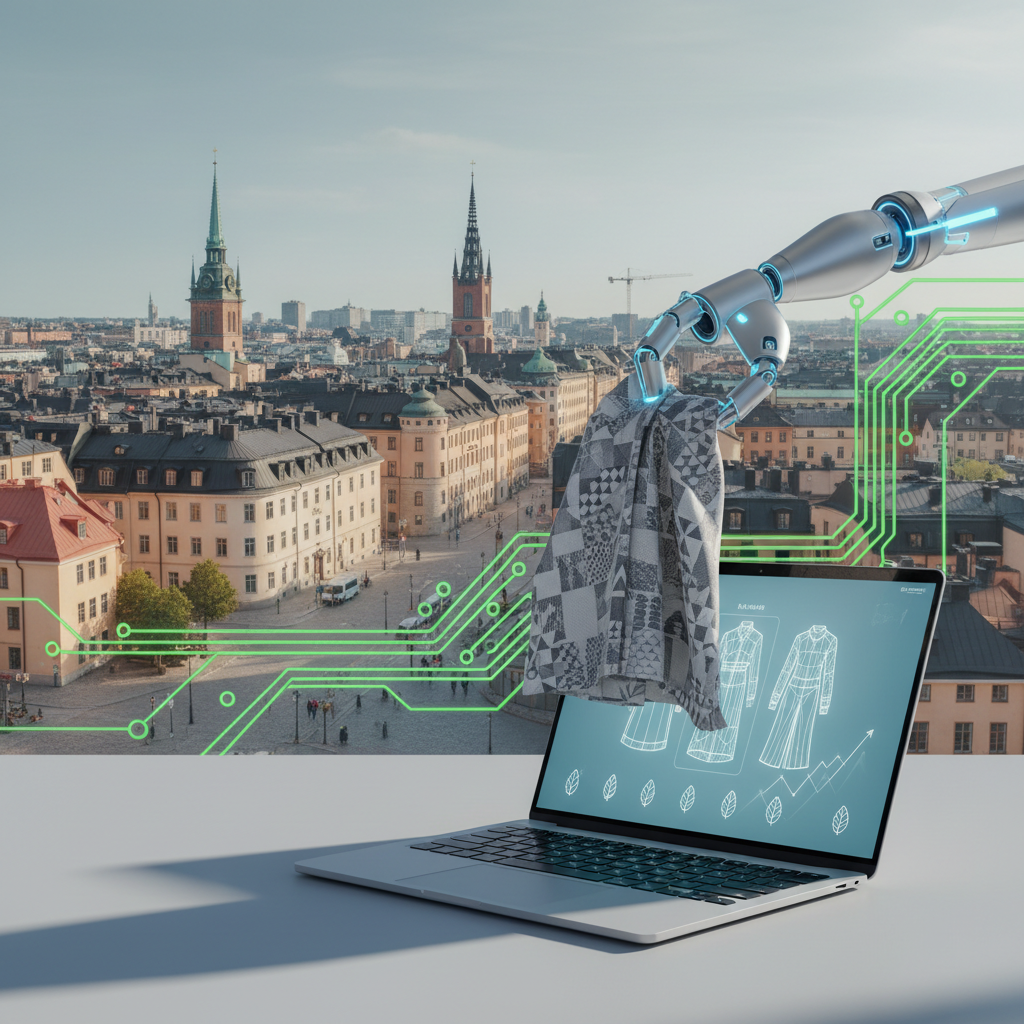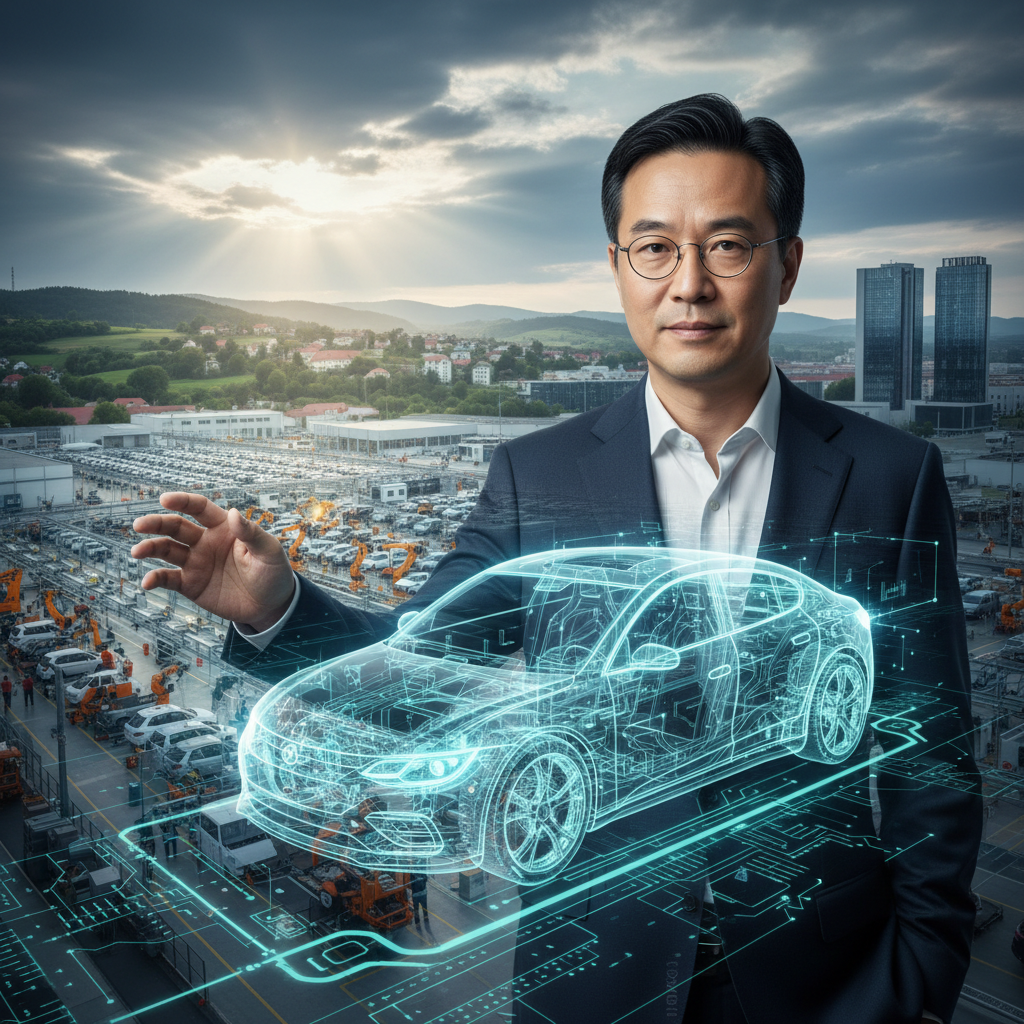

Dobrý deň, everyone! Have you felt that electric hum in the air lately? It is not just the spring breeze sweeping across the Carpathians, it is the palpable energy of innovation, especially after Jensen Huang's latest keynote. Oh, my friends, if you were not paying attention, you missed a masterclass in future-building. NVIDIA is not just selling chips anymore, they are architecting an entire AI ecosystem, a digital universe where everything from self-driving cars to smart factories will thrive. And for us, here in Slovakia, this is not just global news, it is a direct invitation to the future.
I have been following NVIDIA for years, watching them grow from a graphics card pioneer to the undisputed titan of AI hardware. But what Jensen Huang unveiled recently, it felt different. It was less about individual products and more about a holistic vision, a seamless integration of hardware, software, and services designed to accelerate AI development across every industry imaginable. We are talking about new generations of Blackwell-powered GPUs, advanced networking solutions, and a software stack so comprehensive it is like an operating system for the AI age. This is the kind of technological leap that makes my journalist heart sing, truly!
For Slovakia, a nation often called the 'Detroit of Europe' due to our immense automotive production, this is not just interesting, it is critical. Our economy is deeply intertwined with the automotive sector, and the shift towards electric, autonomous, and connected vehicles is not merely an upgrade, it is a complete transformation. NVIDIA's Drive platform, for example, is already a powerhouse in autonomous driving development. With the new computational capabilities and AI models, the potential for our local automotive suppliers and manufacturers to innovate is simply staggering. Imagine our factories, already highly automated, becoming even smarter, predicting maintenance needs, optimizing production lines with AI-driven precision, and reducing waste. This is not science fiction, it is the immediate future.
I had a wonderful chat recently with Dr. Jozef Kováč, a leading expert in industrial automation at the Slovak University of Technology in Bratislava. He shared my enthusiasm, saying, "NVIDIA's full-stack approach, from silicon to software, provides an unparalleled foundation for developing and deploying complex AI systems. For Slovakia's automotive industry, this means we can move beyond simply manufacturing components to becoming a hub for AI-driven automotive innovation. It is an opportunity to climb the value chain significantly." His words truly resonated with me, highlighting the strategic importance of these developments.
Now, let us talk numbers, because that is where the rubber meets the road, as they say. NVIDIA's market capitalization has soared past the trillion-dollar mark, a testament to the market's belief in their AI dominance. Their latest earnings reports consistently smash expectations, driven by insatiable demand for their GPUs from data centers and cloud providers globally. Companies like Microsoft, Google, and Amazon are all investing heavily in NVIDIA's architecture to power their own AI initiatives. This creates a powerful flywheel effect, where more investment in NVIDIA hardware leads to more advanced AI, which in turn drives more demand for NVIDIA. It is a virtuous cycle, and we are all living through it.
But what does this mean for our talented young engineers and developers right here in Slovakia? It means opportunity, my friends, immense opportunity. We have incredible minds coming out of our technical universities, and Slovakia's hidden tech talent is ready to contribute to this global AI revolution. With NVIDIA's accessible developer platforms and extensive community support, our startups can leverage world-class tools to build their own AI solutions, perhaps even specializing in niche areas like AI for smart manufacturing or advanced robotics, areas where Slovakia already has a strong foundation. The EU's cohesion funds are also playing a vital role, increasingly targeting digital transformation and innovation, which can help bridge the gap for smaller companies to access this cutting-edge technology.
I am also thinking about the broader implications. The sheer scale of NVIDIA's ecosystem means that AI development will become more democratized, not less. While the hardware itself is powerful and complex, the software tools are designed to make AI development more accessible. This means that even smaller companies, or research institutions, can tap into this power. It is not just about the big tech giants anymore. It is about enabling innovation everywhere. This is a crucial point for Central Europe, where we are building our own strong tech ecosystems, often with fewer resources than Silicon Valley.
Just last month, I visited a small startup in Košice that is using AI to optimize energy consumption in industrial facilities. They were already experimenting with NVIDIA Jetson modules for edge AI processing. Imagine what they can achieve with the next generation of tools Jensen Huang just announced! It is not just about raw power, it is about the ability to deploy intelligent systems right where they are needed, whether it is on a factory floor, in a self-driving car, or even in smart city infrastructure. This distributed intelligence is going to be a game-changer.
Of course, there are challenges. The energy consumption of these massive AI models and the infrastructure required to run them is a significant concern. We also need to ensure that as AI becomes more powerful, it remains ethical and transparent. These are conversations we must have, and they are happening globally, including within the framework of the EU AI Act. But I believe that with careful planning and collaboration, we can navigate these waters successfully.
Looking ahead, I see Bratislava is having its moment, becoming a vibrant hub for AI research and development, attracting investment and talent. We are already seeing a growing number of international tech companies setting up R&D centers here, drawn by our skilled workforce and strategic location. NVIDIA's continued innovation only strengthens this trend. It provides the foundational technology that allows our local innovators to dream bigger and build faster.
As the world races towards an AI-driven future, NVIDIA is providing the engine, the fuel, and increasingly, the very roads we will travel. For Slovakia, this is not just a distant technological marvel, it is a tangible opportunity to reshape our industrial landscape, foster new generations of innovators, and secure our place at the forefront of the global AI economy. The future is bright, and I, for one, cannot wait to see what we build together. For more insights into how AI is shaping industries globally, you can always check out TechCrunch's AI section. And for deeper dives into the ethical considerations, MIT Technology Review is an excellent resource. This is truly Central Europe's quiet revolution taking shape, powered by silicon and fueled by human ingenuity.