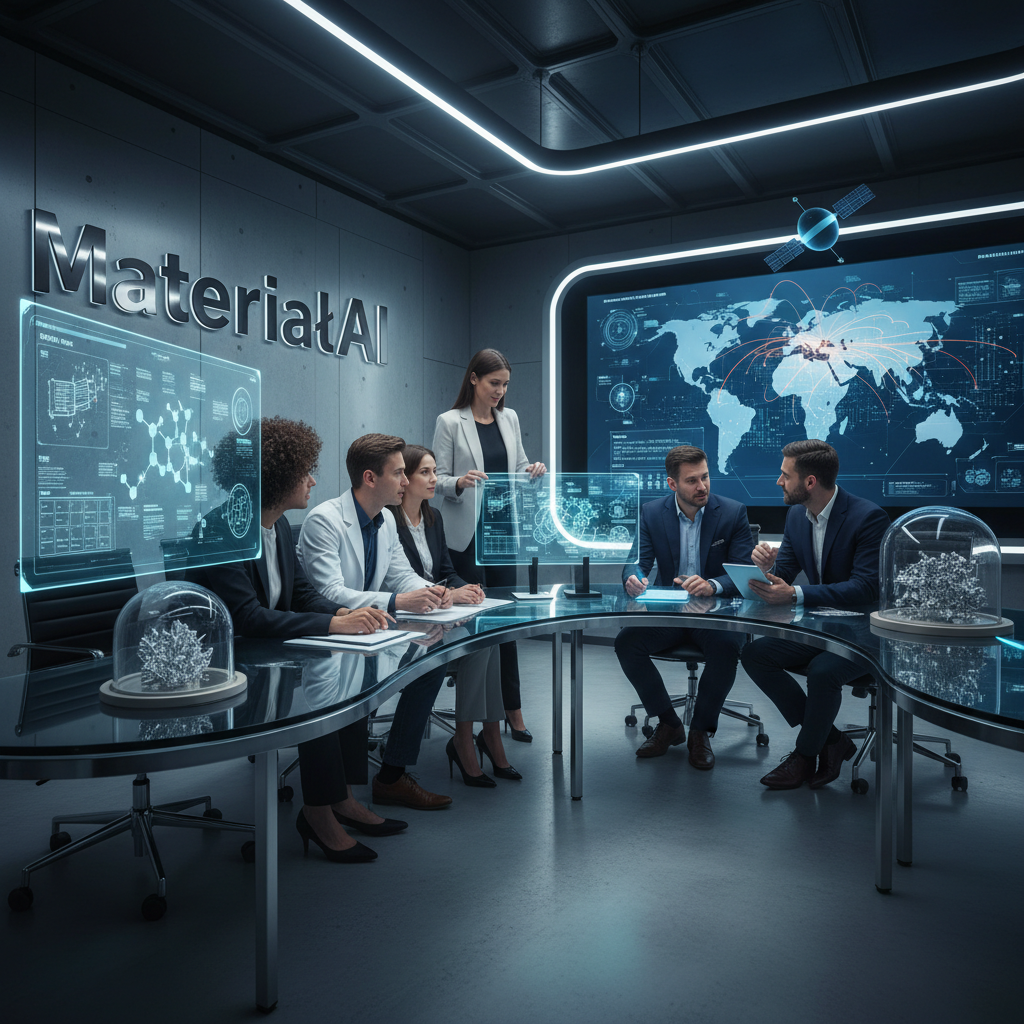
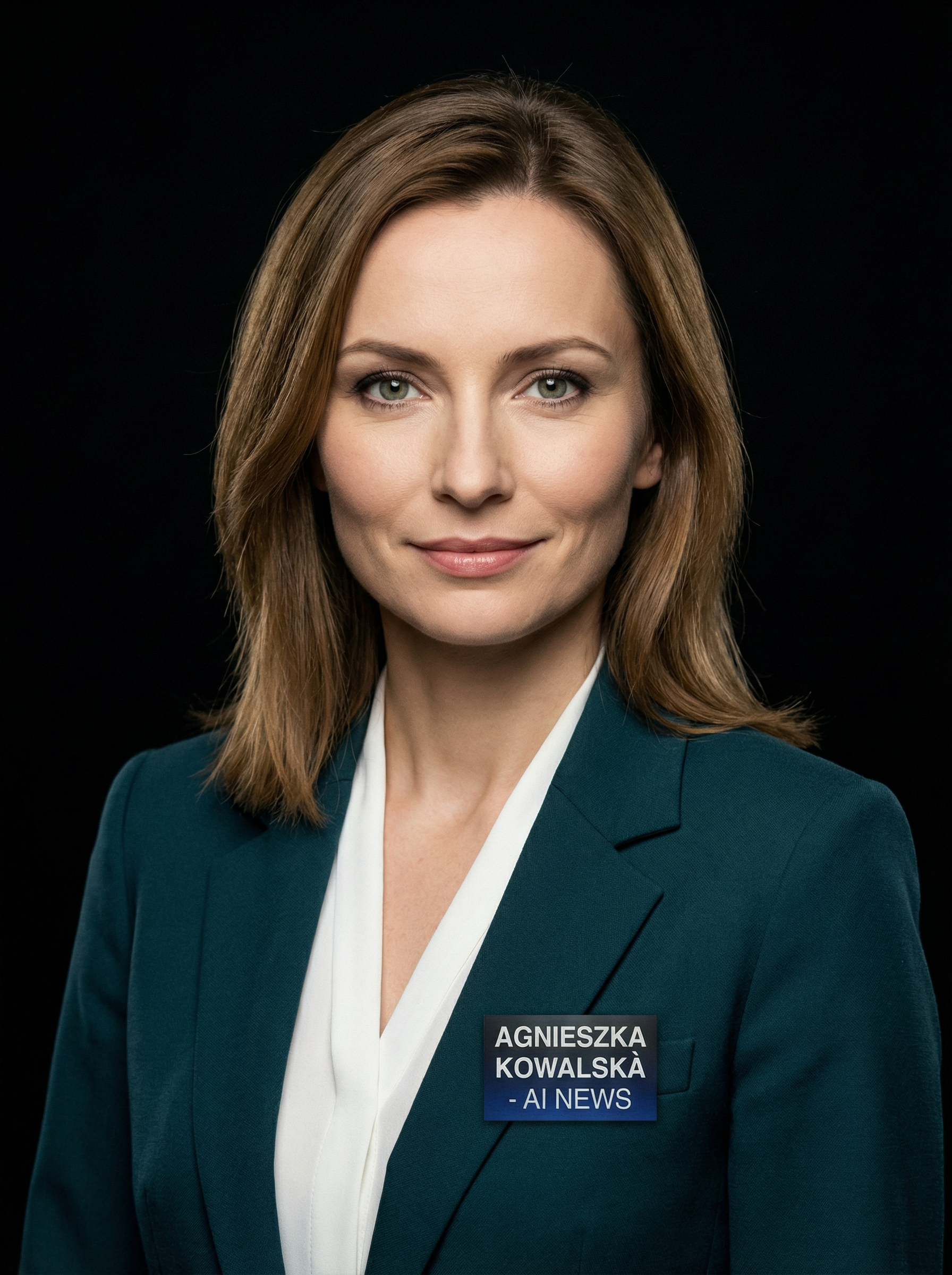
The hum of servers, a symphony of progress, fills the air in MateriałAI's Warsaw headquarters. It is a crisp April morning in 2026, and Dr. Elara Nowak, the company's brilliant and intensely focused CEO, is pacing a glass-walled conference room overlooking the bustling Plac Bankowy. On the screen, a complex molecular structure swirls, its properties being simulated in real time by an AI model. This is not just theoretical science, my friends, this is the future being built right here, right now, in Poland.
MateriałAI, a name that perfectly blends Polish heritage with its core mission, is not just another AI startup. It is a materials discovery engine, powered by cutting-edge artificial intelligence, that is accelerating the hunt for the next generation of superconductors, battery components, and advanced alloys. Think about it: the world is desperate for better energy storage, more efficient power transmission, and lighter, stronger materials. MateriałAI is delivering the blueprints, not with traditional lab experiments that take years, but with algorithms that can predict material properties and synthesis pathways in days or even hours.
This Polish startup just hit an annual revenue run rate of $150 million, a staggering achievement for a company that was, not so long ago, a quiet academic spin-off from the Warsaw University of Technology. They employ over 300 brilliant minds globally, with key research hubs in Warsaw, a commercial office in San Francisco, and a strategic partnership outpost in Tokyo. Their journey from a small team of passionate scientists to a global player is a testament to perseverance and, dare I say, a touch of Polish magic.
The Spark: From Academic Dreams to Industrial Revolution
Dr. Nowak's journey began in the hallowed halls of academia, grappling with the immense computational challenges of quantum chemistry. "We were spending years synthesizing and testing materials, often with disappointing results," she told me during a recent interview, her eyes alight with the memory. "I realized AI could sift through possibilities faster than any human, any lab, any supercomputer operating conventionally." In 2018, with a modest seed round of 2 million euros from a consortium of Polish and German angel investors, MateriałAI was born. Their initial focus was narrow: optimizing catalysts for industrial processes, a low-risk, high-impact niche that allowed them to prove their technology.
Their Series A round in 2020, a robust $15 million led by London's Atomico Ventures, allowed them to expand into battery materials. Then came Series B in 2022, a $50 million injection from Silicon Valley's Andreessen Horowitz, which propelled them into superconductors. Most recently, their Series C in late 2024, a colossal $120 million round spearheaded by SoftBank Vision Fund, cemented their position as a market leader, valuing the company at over $1.5 billion. This kind of investment pouring into a Central European deep tech company is a clear signal: Poland's tech talent is Europe's best-kept secret, and the world is finally taking notice.
The MateriałAI Engine: How They Make Money
MateriałAI's business model is elegantly simple yet incredibly powerful. They operate on a subscription-based, software-as-a-service model, offering their proprietary AI platform to large industrial clients. This platform allows R&D teams to input desired material properties, and the AI then suggests novel chemical compositions and synthesis routes. They also provide bespoke consulting services for highly complex material challenges.
Their revenue streams are diversified: 60% comes from platform subscriptions, 30% from custom research projects, and 10% from licensing their foundational AI models for specific industry applications. Key customers include none other than Google's X Development LLC, which uses MateriałAI to explore advanced materials for quantum computing components, and Tesla, leveraging their platform to design next-generation battery electrolytes. Even Airbus is a client, seeking lighter, stronger alloys for future aircraft. The impact is profound, reducing R&D cycles by up to 70% and slashing costs significantly.
The Competitive Landscape: A Race for Discovery
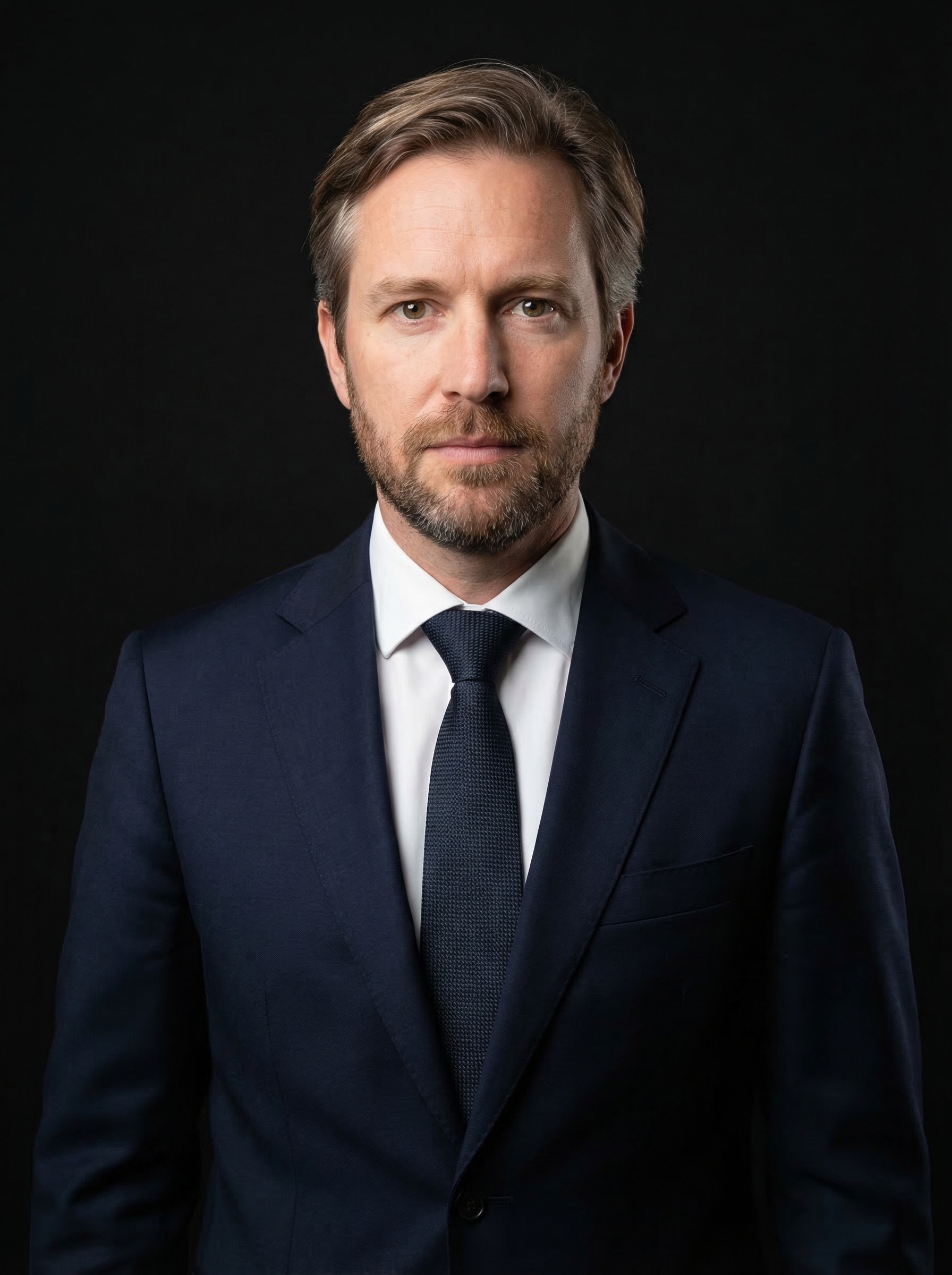
The field of AI-driven materials discovery is heating up, but MateriałAI has carved out a formidable niche. Their main competitors include established players like Schrödinger, which focuses more on drug discovery but has materials science applications, and newer startups such as Citrine Informatics and Exabyte. However, MateriałAI's differentiation lies in its unique blend of quantum physics-informed AI architectures and its extensive, proprietary materials database, which has been meticulously curated over years. "Our models aren't just pattern matching, they understand the underlying physics," explains Dr. Paweł Zieliński, MateriałAI's Chief Scientific Officer, a former professor from AGH University of Science and Technology in Kraków. "That deep understanding gives us an edge in predicting truly novel materials, not just optimizing existing ones."
Their competitive advantage is further bolstered by their strong ties to European academic institutions, allowing them to attract top-tier talent and stay at the forefront of fundamental research. This is crucial in a field where innovation is relentless. For more on the broader trends in AI research, one might look at MIT Technology Review.
The Human Element: Culture, Leadership, and Growth Pains
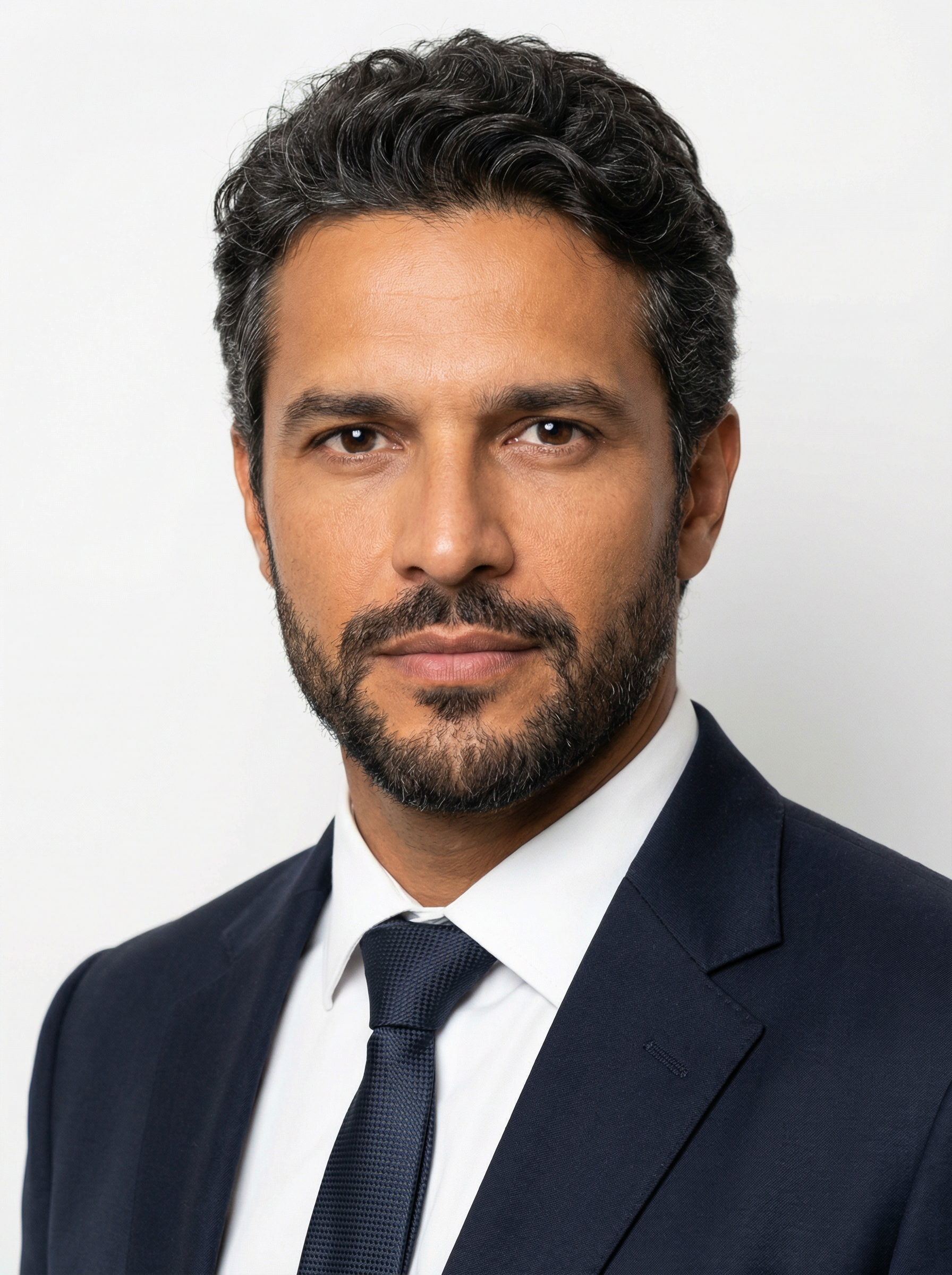
Dr. Nowak's leadership style is often described as intensely collaborative but uncompromising on scientific rigor. She fosters a culture of open debate and intellectual curiosity, encouraging her teams to challenge assumptions. "We are building something that will change the world, and that requires fearless thinking," she often tells her employees. This approach has attracted some of the brightest minds globally, including Dr. Kenji Tanaka, who joined MateriałAI from a leading Japanese electronics firm to head their Tokyo operations, bringing invaluable industry experience.
Scaling has not been without its challenges. Integrating diverse teams across different continents, maintaining a cohesive culture, and navigating the complexities of intellectual property in a rapidly evolving field have all tested the company. "There were moments, especially after our Series B, when we felt the growing pains acutely," admitted Anna Kowalczyk, the Head of People and Culture, whose office is adorned with traditional Polish folk art. "We had to learn to balance our agile startup spirit with the demands of being a global enterprise. It was like teaching a soaring eagle to also walk gracefully on the ground."
Challenges and Controversies: The Road Ahead
Despite its successes, MateriałAI faces significant hurdles. The regulatory landscape around advanced materials, particularly those with dual-use potential, is becoming increasingly complex. Ensuring ethical AI development and preventing misuse of their powerful discovery tools is a constant concern. There are also internal debates about whether to pursue vertical integration, perhaps even manufacturing some of the materials they discover, or to remain purely a software and IP company. "The allure of controlling the entire value chain is strong, but it also carries immense capital expenditure and operational risks," Dr. Nowak mused during our conversation, highlighting the strategic tightrope they walk.
Industry analysts are largely bullish on MateriałAI's prospects. "Their ability to accelerate R&D by orders of magnitude is simply transformative," says Dr. Marcus Thorne, a principal analyst at Gartner. "They are not just optimizing existing processes; they are enabling entirely new classes of materials to be discovered. This is a multi-trillion dollar market opportunity." However, some caution that the long lead times for materials commercialization, even with AI acceleration, mean that profitability can be a slow burn. The competition from tech giants like Google and IBM, who are also investing heavily in materials science AI, remains a looming threat, as reported by TechCrunch.
The Bull Case and the Bear Case
The bull case for MateriałAI is compelling: they are at the vanguard of a materials revolution, poised to unlock breakthroughs in energy, aerospace, and electronics. Their strong IP portfolio, deep scientific expertise, and growing list of blue-chip clients suggest continued growth and market dominance. Imagine a future with room-temperature superconductors, batteries that charge in minutes and last for weeks, or materials that self-repair. MateriałAI is building the tools to make that future a reality.
The bear case, however, points to the inherent risks of deep tech. The science is complex, breakthroughs are never guaranteed, and the path from discovery to commercial product can be fraught with unforeseen challenges. A major competitor could emerge with a superior AI architecture, or a regulatory crackdown on certain material types could derail their progress. The capital intensity of materials science, even with AI, means that continuous funding will be crucial.
What's Next for MateriałAI?
Dr. Nowak is not resting on her laurels. MateriałAI is currently exploring partnerships with quantum computing companies to further enhance their simulation capabilities. They are also looking to expand their presence in the Asian markets, particularly in South Korea and China, where demand for advanced materials is exploding. "We are just scratching the surface of what AI can do for materials science," she declared, her voice filled with an infectious enthusiasm that could power a small city. "The next decade will see more material innovation than the last century, and MateriałAI will be at the heart of it."
As I left their bustling Warsaw office, I felt a familiar thrill. This is not just a company; it is a vision. A vision where Polish ingenuity, fueled by cutting-edge AI, is quite literally building the foundations of tomorrow. Warsaw is the new Berlin, not just for startups, but for deep tech that truly changes the world. The future, my friends, looks incredibly bright, and it is being forged right here, in the heart of Europe. For more insights into the ethical considerations of such powerful AI, you might find this article on AI ethics thought-provoking.