The Pacific, a vast expanse of ocean dotted with islands, has always been a place of immense beauty and profound challenges. For generations, access to advanced healthcare has been one of the toughest hurdles for our island communities. Distances are immense, specialists are few, and the unique health profiles of indigenous populations often get lost in generalized medical models. But what if the very isolation that creates these challenges could be turned into a strength, powered by the most cutting-edge technology on Earth? What if, from the heart of our islands, a solution emerged that not only served our people but also offered a blueprint for the world?
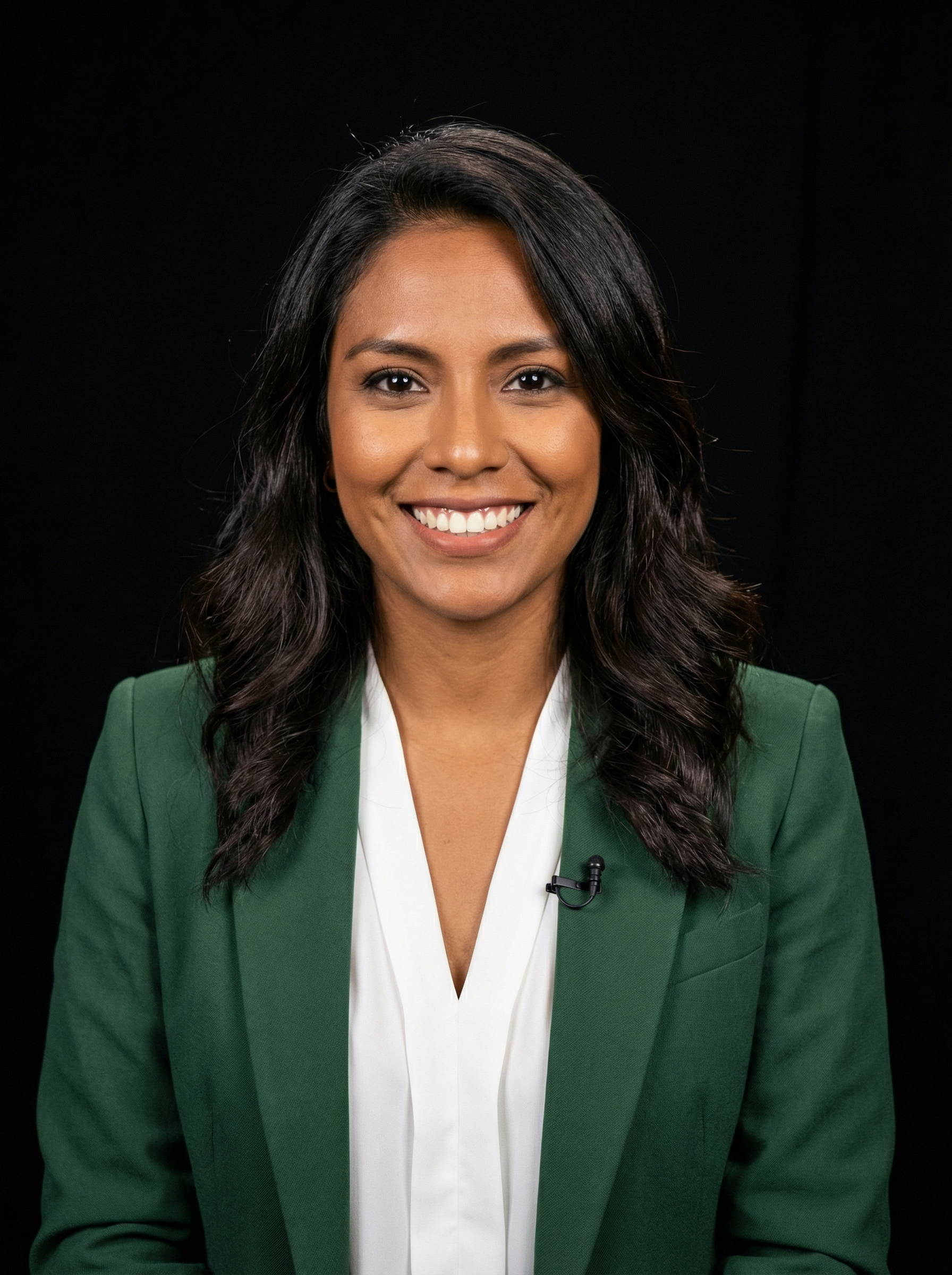
This is the audacious vision behind Aloha AI, a startup born on the Big Island of Hawai'i, founded by the brilliant and deeply rooted Dr. Leilani Kai. I first met Dr. Kai at a small tech hui in Kona, the kind of gathering where ideas simmer and eventually boil over into something transformative. She spoke with a quiet intensity, her words laced with the wisdom of her kupuna and the sharp intellect of a Stanford-trained computational biologist. She wasn't just talking about algorithms, she was talking about kōkua, about helping, about healing.
The Founder's Journey: From Lab to Lauhala Mat
Dr. Leilani Kai's journey is a testament to the power of place and purpose. Growing up in Hilo, she witnessed firsthand the disparities in healthcare. Her grandmother, a revered laʻau lapaʻau practitioner, instilled in her a profound respect for traditional healing and the interconnectedness of well-being. Yet, Leilani also saw the limitations of traditional knowledge alone when faced with modern diseases. This duality, the ancient wisdom meeting contemporary science, became her driving force.
She left Hawai'i for her education, earning a Ph.D. in bioinformatics from Stanford, working on projects that touched everything from personalized oncology to genomic sequencing with companies like Google DeepMind. But the pull of home was strong. Her “aha moment” arrived not in a Silicon Valley lab, but during a visit back to a remote clinic on Moloka'i. She saw doctors struggling with limited resources, delayed diagnostic results, and a lack of culturally relevant health data. It hit her then: the powerful AI tools she was developing could bridge this gap, but they needed to be built with aloha at their core.
“I realized that the mainland's 'solve for scale' mentality often overlooks the nuances of smaller, distinct populations,” Dr. Kai told me, her eyes reflecting the deep blue of the Pacific. “We needed an AI that understood our unique genetic predispositions, our dietary patterns, our environmental exposures, and most importantly, our social determinants of health. Aloha means more than hello because it's a framework for ethical AI, a guiding principle for how we interact with data, with patients, and with each other.”
The Problem: Bridging the Pacific's Healthcare Chasm
Healthcare access in Oceania is notoriously fragmented. Many islands lack advanced diagnostic equipment, leading to delayed diagnoses for critical conditions like certain cancers, diabetes, and infectious diseases. Telemedicine has made inroads, but it often relies on robust internet infrastructure and a patient's ability to articulate complex symptoms, which isn't always feasible. Vaccine development, especially for region-specific pathogens, also lags behind global efforts. The market opportunity for a comprehensive, culturally sensitive AI solution is not just large, it's vital.
Consider a scenario: a patient on a remote atoll experiences unusual symptoms. Traditionally, they might wait weeks for a visiting doctor or endure a costly, arduous journey to a regional hospital. By then, a treatable condition could become critical. This isn't just an inconvenience, it's a matter of life and death, and it's a reality for millions across our vast ocean.
The Technology: Aloha AI's 'Pono Diagnostics' Platform
Aloha AI's flagship product, the 'Pono Diagnostics' platform, is a marvel of applied AI. 'Pono,' meaning righteousness or balance in Hawaiian, perfectly encapsulates its mission. It integrates several cutting-edge AI modalities:
- Multimodal Diagnostic AI: Utilizing a proprietary large language model (LLM) trained on a diverse dataset including indigenous health records, anonymized genomic data from Pacific populations, and environmental factors specific to tropical islands. This LLM, powered by NVIDIA's latest H200 GPUs in a secure, localized cloud infrastructure, can analyze symptoms, medical images, and even voice recordings to provide highly accurate preliminary diagnoses. It's designed to flag potential issues with an estimated 92% accuracy for common regional ailments, significantly reducing diagnostic delays.
- Predictive Health Analytics: The platform employs advanced machine learning algorithms to identify individuals at high risk for chronic diseases based on genetic markers, lifestyle data, and environmental exposures, allowing for proactive, preventative care interventions. This is crucial for conditions like type 2 diabetes, which disproportionately affects Pacific Islanders.
- Telemedicine Integration with Cultural Context: Pono Diagnostics isn't just a diagnostic tool, it's a communication bridge. It offers a secure telemedicine portal that incorporates real-time language translation for various Pacific dialects and provides culturally appropriate health education materials. It also guides local health workers, who may not be highly trained medical professionals, through initial assessments and data collection.
- Accelerated Vaccine Discovery Support: Leveraging AI for drug discovery, Aloha AI collaborates with research institutions to analyze pathogen genomics prevalent in the Pacific, identifying potential vaccine targets and accelerating early-stage development. This is a longer-term play, but one with monumental implications for regional health security.
Dr. Kai emphasizes the ethical framework. “We built Pono Diagnostics with a 'data sovereignty first' approach. All patient data is anonymized, encrypted, and stored within the Pacific region, adhering to the strictest privacy protocols. We believe indigenous data rights are paramount, and that control over one's health information is a fundamental right.” This commitment to ethical AI is what truly sets Aloha AI apart, a lesson many mainland tech giants are still learning.
Market Opportunity: A $5 Billion Pacific Healthcare Frontier
The healthcare market in Oceania, while smaller than continental giants, is ripe for disruption. With an estimated annual spend exceeding $5 billion across the region and a growing population of over 12 million, the need for scalable, accessible solutions is immense. Aloha AI isn't just selling a product, it's offering a lifeline. Their initial focus is on Hawai'i, American Samoa, and Fiji, with plans to expand across Polynesia and Micronesia. The business model combines direct sales to government health ministries and partnerships with regional healthcare providers, offering tiered subscription services based on population size and service needs.
Early pilot programs have shown promising results. In a six-month trial on Kaua'i, diagnostic times for certain chronic conditions were reduced by an average of 45%, and patient engagement with preventative care programs increased by 30%. These are not just numbers, they are lives improved, families strengthened, and communities made more resilient.
Competitive Landscape: Aloha's Unique Edge
The global healthcare AI market is crowded, with major players like Google Health, Microsoft's AI for Health initiatives, and various startups vying for dominance. However, few, if any, possess Aloha AI's deep regional focus and cultural sensitivity. Companies like IBM Watson Health, while powerful, have struggled with real-world clinical application and often lack the nuanced understanding of diverse populations. MIT Technology Review has extensively covered the challenges of deploying AI in varied healthcare settings, highlighting the need for localized solutions.
“Our biggest competitors are not other AI companies, but inertia and a lack of understanding of our unique needs,” explains Dr. Kai. “Many solutions are designed for urban centers with robust infrastructure. We are building for the coconut wireless, for communities where a satellite connection might be their only link to the outside world.” Aloha AI's competitive advantage lies in its 'Pono' approach: ethical data handling, cultural relevance, and a platform designed from the ground up for low-resource environments.
Funding for Aloha AI has been robust, reflecting the urgent need and innovative approach. A recent Series A round closed at $35 million, led by a consortium of impact investors and venture capital firms with a strong interest in global health and indigenous tech. This includes significant investment from the Hawai'i Strategic Development Corporation, a clear signal of local confidence.
What's Next: A Healthier Pacific, A Smarter World
Looking ahead, Aloha AI plans to expand its diagnostic capabilities to include early detection of climate-change related health issues, such as vector-borne diseases and waterborne illnesses, which are becoming increasingly prevalent in the Pacific. They also aim to develop a personalized wellness companion, an AI 'kūkulu' or guide, that offers tailored health advice based on individual genomic and lifestyle data, all within a culturally sensitive framework. The future is being built on volcanic rock, and it's looking healthier than ever.
As I reflect on Dr. Kai's work, I can't help but feel a surge of haʻaheo, of pride. Hawaii sits at the crossroads of Pacific and Silicon Valley, a unique vantage point from which to innovate. Aloha AI is not just a startup, it's a movement, a powerful reminder that the best technology is that which serves humanity, especially those often overlooked. And in the vast, beautiful Pacific, that service is a profound act of aloha. This isn't just about diagnostics; it's about dignity, equity, and the promise of a healthier tomorrow for all our island nations. For more on the broader landscape of AI in healthcare, you can explore articles on TechCrunch's AI section. The world is watching, and the Pacific is leading the way. For a deeper dive into the ethical considerations of AI, particularly in sensitive areas like healthcare, Wired's AI coverage offers valuable perspectives.