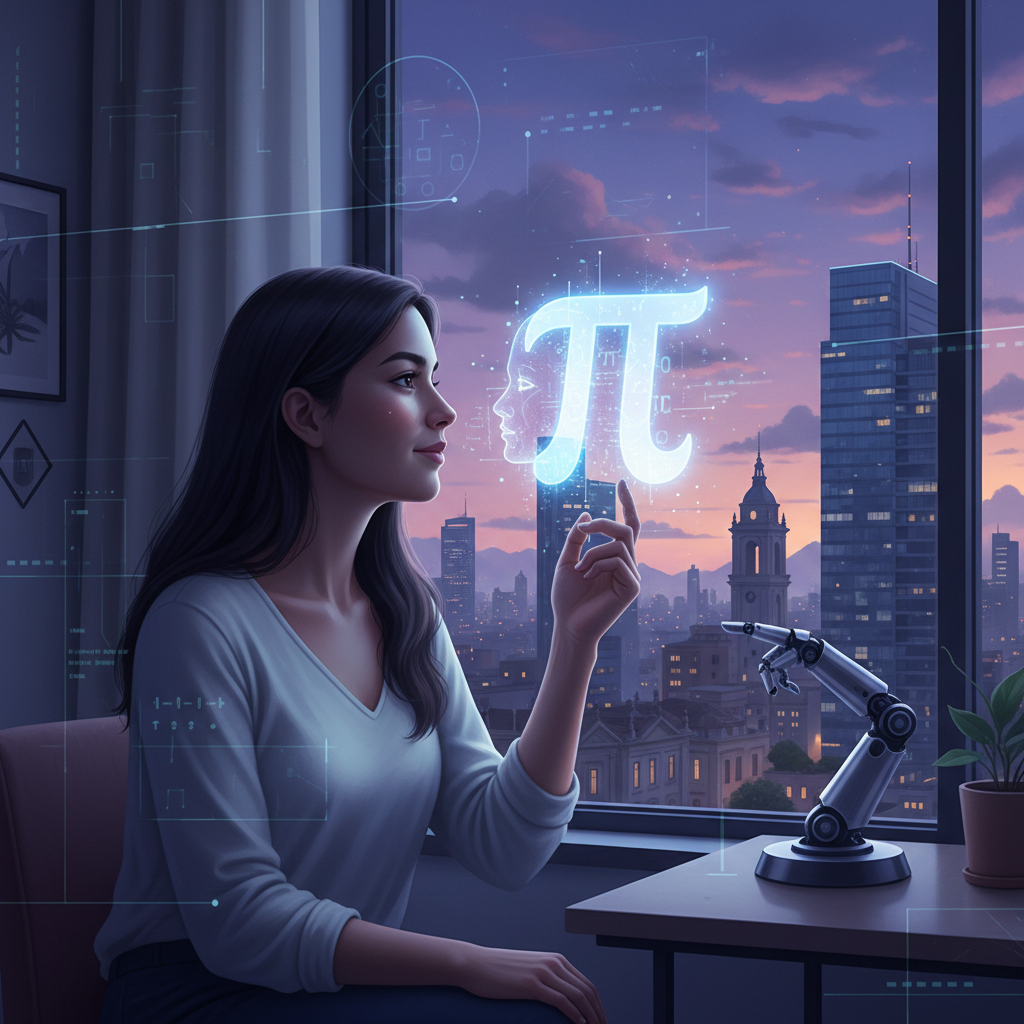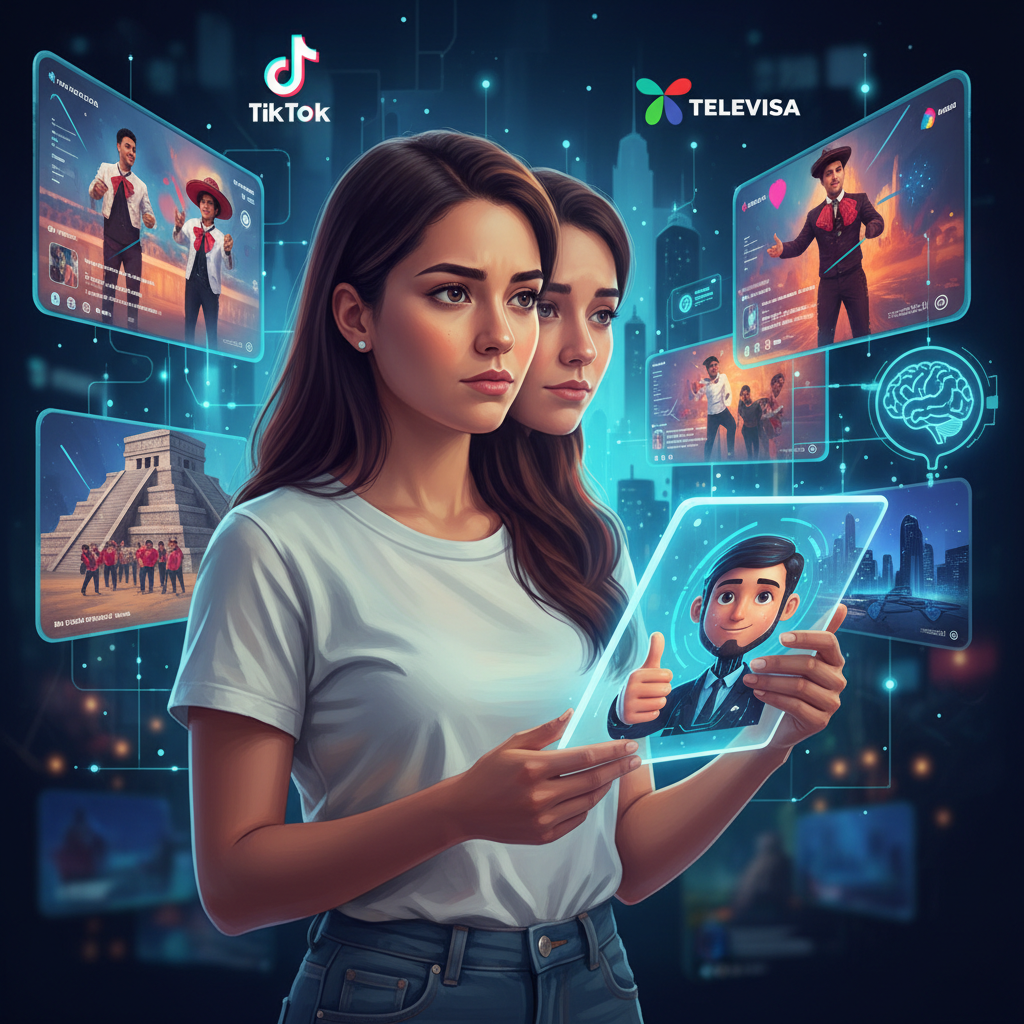

¡Qué onda, mi gente! Alejandroó Riveràs here, coming to you from the vibrant heart of Mexico City, where the future isn't just arriving, it's already throwing a fiesta! We talk a lot about AI changing industries, transforming work, and making our lives more efficient, but what about the most human of all connections? What happens when our favorite influencers, the ones who tell us what to wear, what to eat, and where to travel, aren't even real people? This isn't science fiction anymore, amigos; AI influencers with millions of followers are here, and they are absolutely captivating the hearts and minds of young Mexicans, creating a whole new psychological landscape.
Just last week, my niece, Sofia, who is 15 and glued to her phone like most teenagers, showed me a new 'fashionista' she follows. Her name is 'Luzia Digital,' a stunning, perfectly styled virtual being with over 3 million followers on Instagram and TikTok. Luzia posts about the latest trends from Polanco boutiques, shares her 'travels' to Tulum, and even gives motivational talks, all with a flawless, engaging persona. Sofia adores her. She talks about Luzia as if she were a real friend, someone she looks up to. This isn't just about admiring a pretty face; it's about forming a parasocial relationship, a one-sided connection where the follower invests emotional energy, time, and even money, believing they know the influencer, even when that influencer is a sophisticated algorithm and a team of artists.
This phenomenon is exploding globally, but here in Mexico, with our rich culture of storytelling, celebrity worship, and deeply ingrained social media habits, it feels particularly potent. We're seeing virtual beings like Luzia, or even 'Diego Digital' who reviews the hottest new taquerias in Roma Norte, becoming household names. They are meticulously crafted by AI models, often powered by advanced generative AI from companies like Meta AI and OpenAI, which can produce hyperrealistic images, videos, and even voices. These AI entities are designed to be aspirational, relatable, and endlessly available, fulfilling a craving for connection that traditional celebrities, with their human flaws and limited availability, sometimes struggle to meet.
So, what's happening to us, to our brains, when we spend hours interacting with these digital phantoms? Dr. Elena Rojas, a leading social psychologist at the Universidad Nacional Autónoma de México, has been studying this very trend. She told me,