
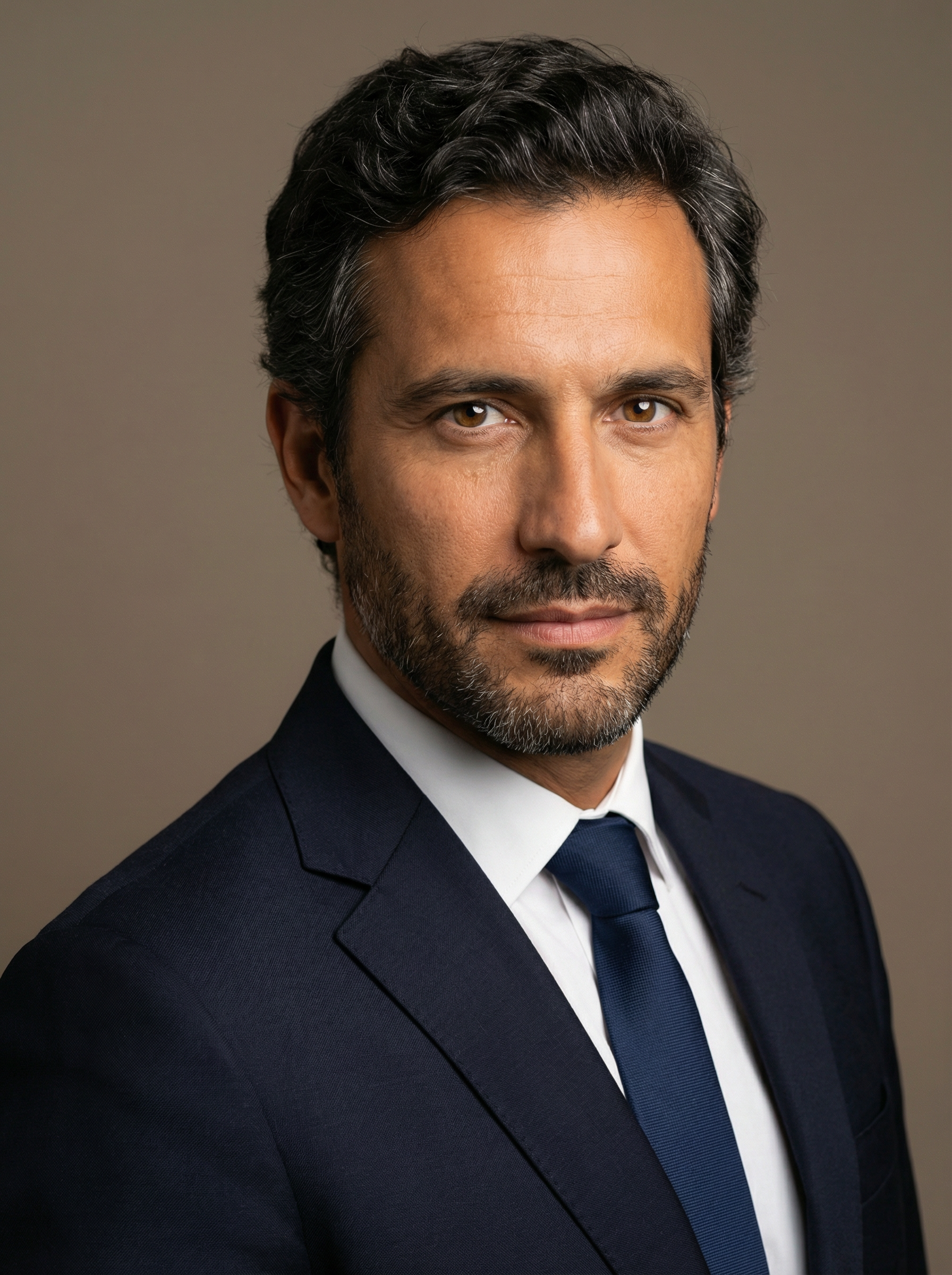
The air in Porto always carries a certain buzz, a mix of history, the scent of the Douro, and an undeniable passion for football. It is a city where the beautiful game is not just a sport, it is a way of life, woven into the very fabric of daily existence. For Diogo Almeida, the founder and CEO of ai.io, this passion was less a thread and more a foundational pillar. His company, ai.io, is now at the forefront of using artificial intelligence to revolutionize sports analytics, helping clubs from the Premier League to the Primeira Liga make smarter decisions about player performance, injury prediction, and talent identification. It is a story that begins, as many good ones do, with a boy and a ball, but quickly pivots to a boy and a spreadsheet, then a boy and an algorithm.
I met Diogo recently, not in a sterile Silicon Valley boardroom, but in a bustling cafe near the Mercado do Bolhão, the kind of place where the espresso is strong and the conversation flows as freely as the port wine. He has that calm, focused intensity you see in people who are building something truly significant, but also an easy smile, a reflection of his Portuguese roots. He recounted a defining moment, one that crystallized his future path. "I remember being perhaps ten or eleven years old, watching FC Porto play, and being completely fascinated not just by the goals, but by the patterns," he told me, gesturing with his hands as if tracing formations on the table. "Why did that player make that run? Why did they lose possession there? I started keeping my own notes, drawing diagrams, trying to understand the 'why' behind the 'what.' It was probably a bit obsessive for a child, but it was my first foray into data analytics, long before I even knew what that term meant."
His origin story is less about a sudden epiphany and more about a persistent, almost relentless curiosity. Growing up in Porto, football was omnipresent. But while his friends dreamed of scoring the winning goal, Diogo was more interested in the statistics behind the players, the tactical nuances, the hidden variables that determined success or failure. This analytical bent led him to study computer science at the University of Porto, a decision that, in hindsight, seems almost predestined. While there, he delved deep into machine learning and artificial intelligence, always with an eye toward how these nascent technologies could be applied to the world he loved most: sports. He was not just learning to code, he was learning to speak the language of data, a language he instinctively knew held the secrets to unlocking athletic potential.
After university, Diogo spent several years working in various tech roles, honing his skills in data science and software development. He saw firsthand the power of data in business, but felt a growing unease. The sports world, particularly football, was still largely reliant on subjective observation, gut feelings, and traditional scouting methods. There was an ocean of untapped data, from GPS trackers to video analysis, just waiting for someone to make sense of it. He realized that the sardine can of European tech was actually a treasure chest, brimming with opportunities for those brave enough to open it.
The idea for ai.io, initially called ai.metrics, began to take shape during this period. He envisioned a platform that could process vast amounts of athletic data, identify patterns invisible to the human eye, and provide actionable insights to coaches, scouts, and medical staff. The breakthrough came when he started prototyping algorithms that could not only track player movements but also predict potential injury risks based on biomechanical data and workload patterns. It was a game changer. Imagine knowing, with a high degree of probability, which players are on the verge of an injury, allowing for proactive intervention. This is not just about winning games, it is about protecting careers and investing wisely in human capital.
Building the company was, as expected, a rollercoaster. Diogo initially bootstrapped the venture, working out of a small office in Porto, fueled by strong coffee and an unshakeable belief in his vision. He surrounded himself with a small, dedicated team of data scientists, engineers, and sports physiologists. "Hiring was critical," he explained. "I needed people who not only understood AI but also spoke the language of football. You cannot build solutions for a sport if you do not understand its soul, its traditions, its unpredictable beauty." This multidisciplinary approach became a hallmark of ai.io's culture, fostering an environment where technical prowess met practical sports knowledge.
Funding followed as the prototypes proved their worth. Early angel investors, recognizing the immense potential, provided the initial capital. Later, ai.io secured significant seed and Series A rounds from European venture capital firms, including some with strong ties to the sports industry. These investments allowed them to scale operations, expand their team, and refine their AI models. Their technology, which leverages machine learning and computer vision, can analyze everything from player movement efficiency and tactical adherence to physiological markers that indicate fatigue or stress. It is a comprehensive suite designed to give clubs an unprecedented analytical edge.
Today, ai.io works with a growing roster of top-tier football clubs across Europe, including several in the English Premier League and Spain's La Liga. Their platform is used for everything from identifying promising young talent in obscure leagues to optimizing training regimes for elite athletes. "We are not replacing the human element, the scout's eye or the coach's intuition," Diogo emphasized. "We are augmenting it, providing tools that allow them to make more informed decisions, to see things they simply could not before." This philosophy resonates deeply, as it respects the artistry of the game while embracing the precision of science.
What truly drives Diogo is not just the technology, but the impact. He believes that AI can democratize access to elite sports science, helping smaller clubs compete more effectively and giving talented players from all backgrounds a fairer chance. He is particularly proud of the work ai.io does in injury prevention, a notoriously complex and costly problem in professional sports. By predicting injuries before they happen, clubs can save millions and, more importantly, protect their players' long-term health. "It is about creating a healthier, more sustainable ecosystem for football," he said, his eyes alight with conviction.
Looking ahead, ai.io is exploring expansion into other sports, with basketball and rugby being prime candidates for their data-rich analytical approach. They are also investing heavily in explainable AI, ensuring that their models are not black boxes but transparent tools that coaches can understand and trust. Diogo envisions a future where AI is as integral to sports as the ball itself, a silent partner in every strategic decision. "Lisbon's tech scene is like a good port wine, complex and improving with age, but Porto, my home, is where the heart of this football revolution beats," he concluded, a proud smile on his face. He is a testament to the fact that Portugal punches above its weight, not just on the football pitch, but in the global tech arena too.
For more on how AI is shaping the future of sports, you can explore articles on TechCrunch or MIT Technology Review. The intersection of AI and human performance is a fascinating frontier, and companies like ai.io are proving that the beautiful game is only getting smarter. The insights gained from sports analytics are also finding their way into broader discussions about human optimization, a topic often covered by outlets such as The Verge. We are truly just at the beginning of understanding how deeply AI will integrate into every aspect of our lives, from the pitch to the hospital bed.