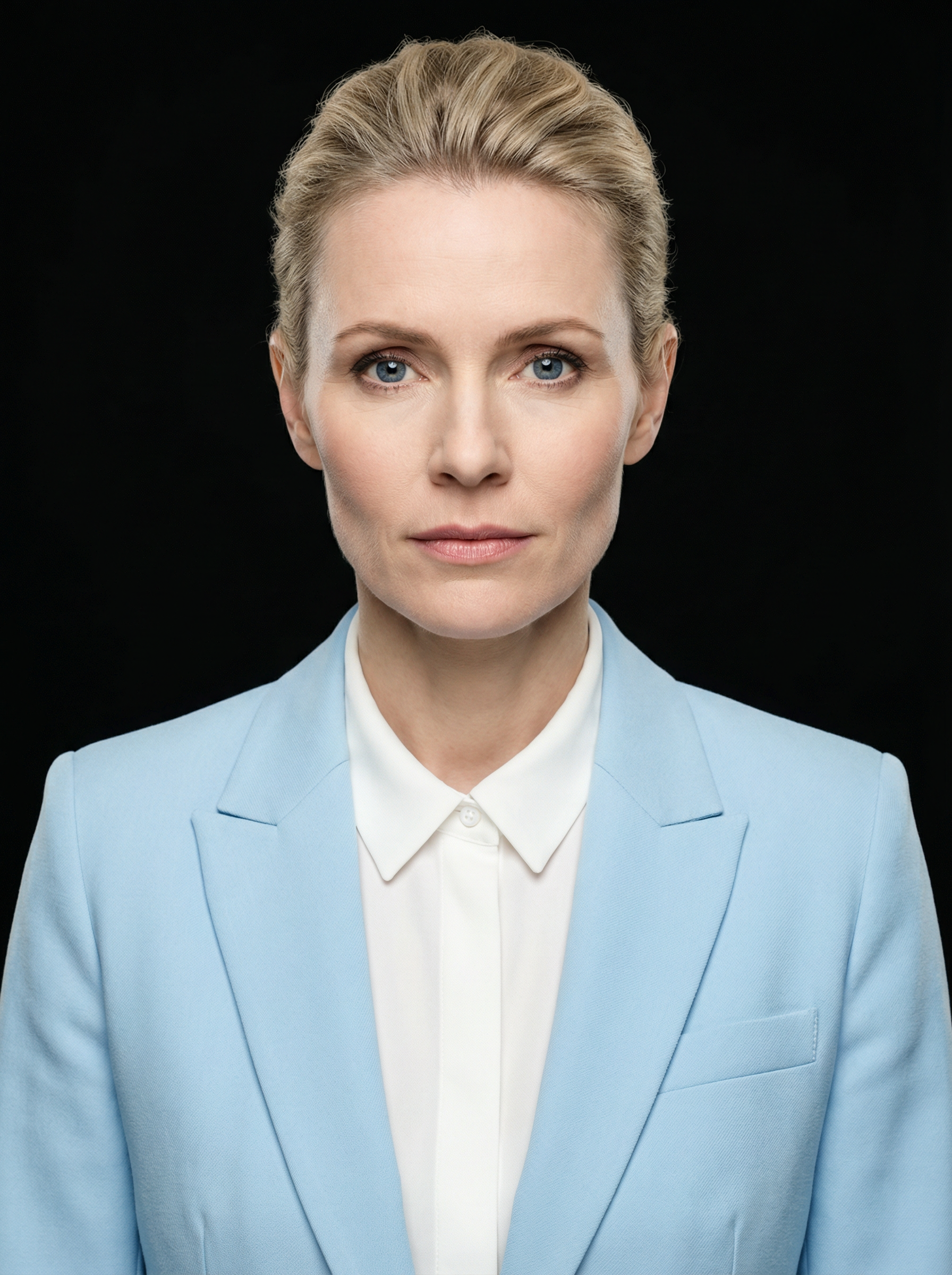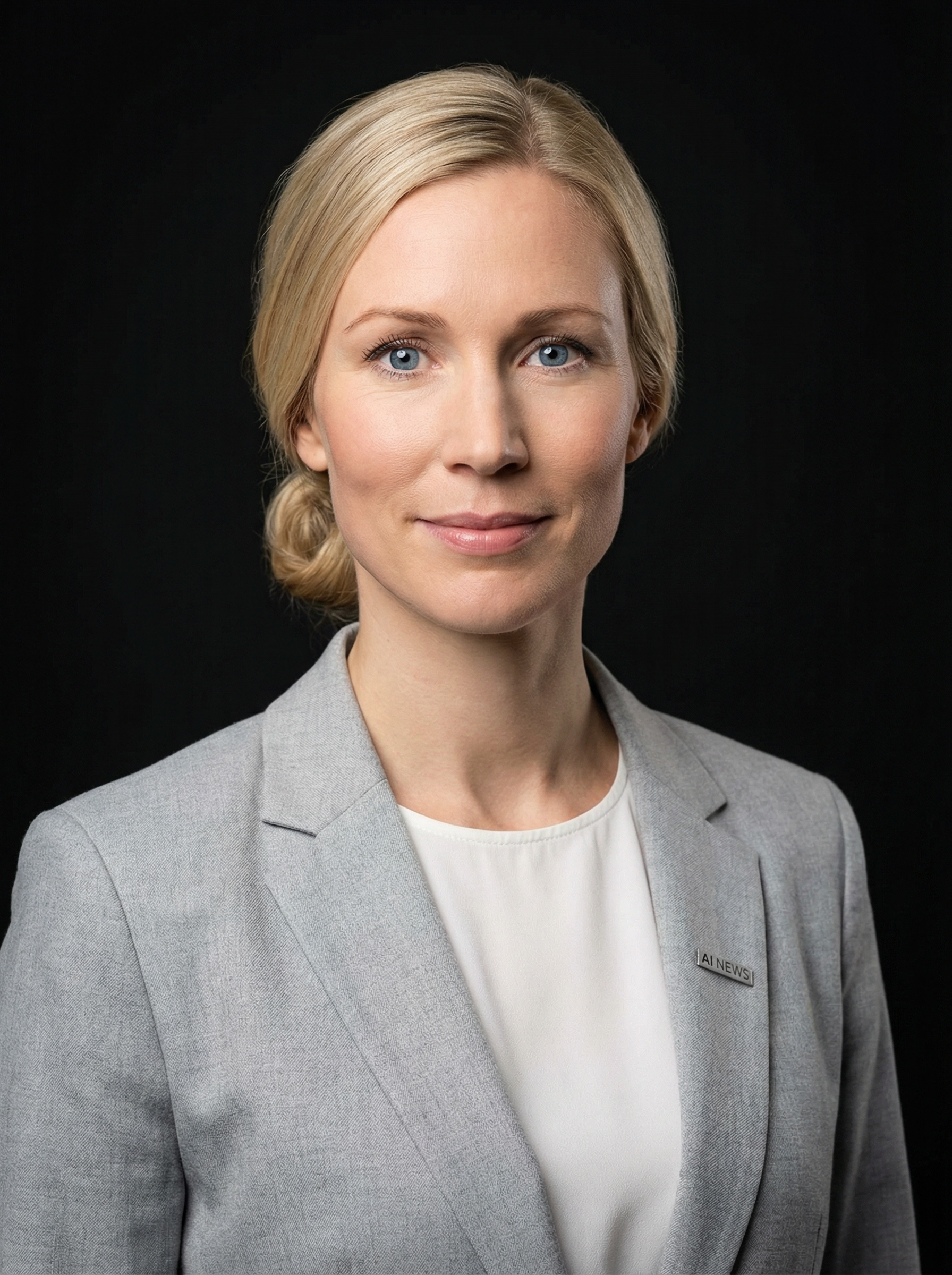
The air in the Kraków Old Town cafe, usually thick with the aroma of strong coffee and centuries of history, felt electric that morning. Zofia Nowak, all of 28 years old, was not sipping her espresso peacefully. She was sketching furiously on a napkin, her eyes alight with an intensity that could power a small city. This was not just any morning; it was the morning she realized the world was hurtling towards an intellectual property crisis, and she, with her unique blend of legal acumen and coding prowess, was going to fix it.
Zofia is not your typical Silicon Valley founder. She grew up in a small town near Tarnów, her childhood filled with the stories of Polish inventors and scientists, always encouraged by her grandmother, a retired physics teacher, to question everything. "Babcia always said, 'Zosiu, the biggest problems are just opportunities in disguise,'" Zofia recounts with a warm smile, her accent charmingly present. This early encouragement fueled her dual passions: the intricate logic of law and the boundless creativity of programming.
She pursued law at Jagiellonian University in Kraków, one of Europe's oldest and most prestigious institutions, while secretly devouring online courses in machine learning and neural networks. Her peers were debating constitutional amendments; Zofia was debugging Python scripts in her dorm room until the early hours. It was during her final year, while interning at a major international law firm and witnessing the nascent legal battles over digital content, that the seed for CogniRights was planted.
"I saw artists struggling, musicians fighting for royalties, and then I saw the first generative AI models creating music, art, even code," she explains, leaning forward, her passion palpable. "It hit me like a lightning bolt: who owns that? Who gets the credit? Who profits? The legal frameworks were archaic, utterly unprepared for this new reality. It was chaos, a beautiful, terrifying chaos."
The defining moment came during a late-night coding session. She was experimenting with a generative adversarial network, or GAN, that was creating surprisingly original abstract art. The output was stunning, but the question gnawed at her: if this AI created something unique, was it truly its creation, or was it merely a sophisticated reflection of its training data? And if it was the latter, how do you attribute ownership fairly?
This intellectual conundrum led her to a chance encounter with Marek Kowalski, a brilliant computer scientist she met at a local tech meetup in Kraków. Marek, then 30, had just returned from a stint at Google DeepMind in London, disillusioned by the corporate behemoth's slow pace in tackling ethical AI. He was a quiet, methodical genius, the perfect counterpoint to Zofia's fiery energy. They bonded over pierogi and a shared frustration with the status quo. "Marek understood the technical depth of the problem, the nuances of model architectures and data provenance, in a way no lawyer could," Zofia says, her admiration clear. "And I understood the legal minefield, the precedents, the international treaties, the sheer human messiness of ownership."
Their first attempt was a clunky blockchain-based registry for AI-generated content, a sort of digital notary. It failed to gain traction. "It was too technical, too niche, and honestly, a bit ahead of its time," Marek admits with a rare smile. "People just weren't ready to think about AI as a co-creator yet." They burned through their meager savings, funded by Zofia's family and Marek's severance package. There were moments of despair, late nights fueled by strong Polish coffee and the fear of failure. Zofia even considered going back to corporate law, a thought that still makes her shudder.
The pivot came after a particularly brutal rejection from an angel investor who called their idea "a solution looking for a problem." Zofia, devastated but defiant, spent a week walking the Tatra mountains, clearing her head. She realized their mistake: they were focusing on registering AI creations, not defining their origin and ownership. The problem wasn't just about tracking; it was about attribution, about the very definition of creativity in the age of algorithms. They needed a system that could analyze the genesis of an AI output, not just its final form.
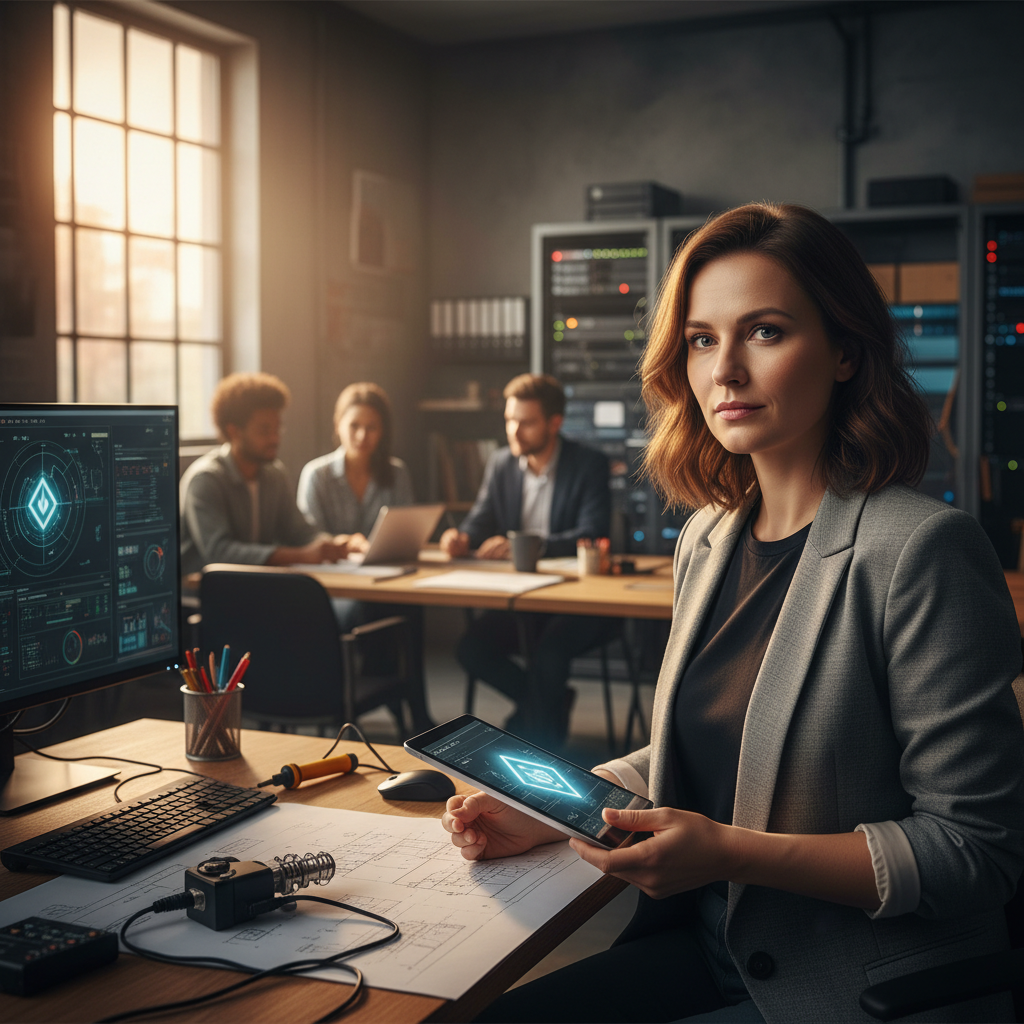
Back in their tiny Kraków office, a converted garage, they started fresh. They developed a proprietary AI provenance engine, a sophisticated system that could trace the lineage of an AI's output back to its training data, its model architecture, and the human prompts that guided it. CogniRights was born: a platform that provided an immutable, auditable record of AI creation, assigning fractional ownership and intellectual property rights based on a transparent, algorithmically determined contribution model. It was revolutionary.
Building the company was a whirlwind. Zofia's legal background helped them navigate the complex regulatory landscape, while Marek's technical expertise built the robust, scalable platform. They hired a small team of brilliant engineers and legal experts, many of them fresh out of Polish universities, drawn by the audacious vision. "Poland's tech talent is Europe's best-kept secret," Zofia often says, and CogniRights is a testament to that. Their culture was intense, collaborative, and deeply ethical. They debated everything, from the philosophical implications of AI sentience to the minutiae of database architecture.
Their breakthrough came when a major animation studio, struggling with copyright claims on AI-assisted character designs, became their first client. CogniRights provided irrefutable proof of human input and AI assistance, resolving the dispute swiftly. Word spread like wildfire. Investors, who had once scoffed, now came knocking. In late 2024, they closed a $30 million Series A round at a $300 million valuation, led by Altos Ventures, with participation from a European venture fund focused on deep tech. "It felt surreal, like a dream," Zofia recalls, "but also like a validation of every sleepless night, every doubt we overcame."
Today, CogniRights boasts over $100 million in Annual Recurring Revenue, with clients ranging from Hollywood studios to pharmaceutical companies using AI for drug discovery, and even independent artists leveraging generative tools. Their platform has become the de facto standard for AI IP attribution, and regulatory bodies across the EU and North America are consulting with Zofia and Marek to shape future legislation. "We are not just building software; we are building the legal infrastructure for the future of creativity," Marek states, his usual reticence giving way to quiet pride.
What drives Zofia now, beyond the success, is the profound impact. She speaks passionately about empowering creators, ensuring they are fairly compensated, and preventing the exploitation of AI-generated works. She envisions a future where AI is a powerful co-pilot, not a replacement, and where human ingenuity remains at the heart of innovation. "The Polish spirit, you know, it's about resilience, about finding a way even when the path is unclear," she muses, looking out at the bustling streets of Kraków. "We apply that to technology, to law, to everything."
Next, CogniRights is exploring integration with major AI model providers like OpenAI and Anthropic, aiming to embed provenance tracking directly into the generative process. They are also developing educational programs to help artists and businesses understand the evolving landscape of AI IP. Zofia believes that transparency and education are key to fostering a healthy, innovative ecosystem. "The future of creativity is collaborative, between humans and machines," she declares with her characteristic enthusiasm. "And CogniRights will make sure everyone gets their fair share of the magic." Her journey from a small Polish town to the forefront of global AI law is a dazzling example of how innovation can bloom anywhere, especially when fueled by brilliant minds and an unwavering belief in a better tomorrow. For more on the evolving legal landscape of AI, you can always check out resources like Reuters Technology or Wired's AI coverage. The conversation is just beginning, and Zofia Nowak is leading the charge. For deeper dives into the technical aspects of AI models and their implications, MIT Technology Review is an excellent resource. This Polish startup just might change everything. We are witnessing history in the making. From Rio's Samba Schools to OpenAI's Code: Are Artists Winning the $10 Billion Copyright Battle Against Silicon Valley? [blocked] is another article that touches on the complexities of AI and artistic ownership.