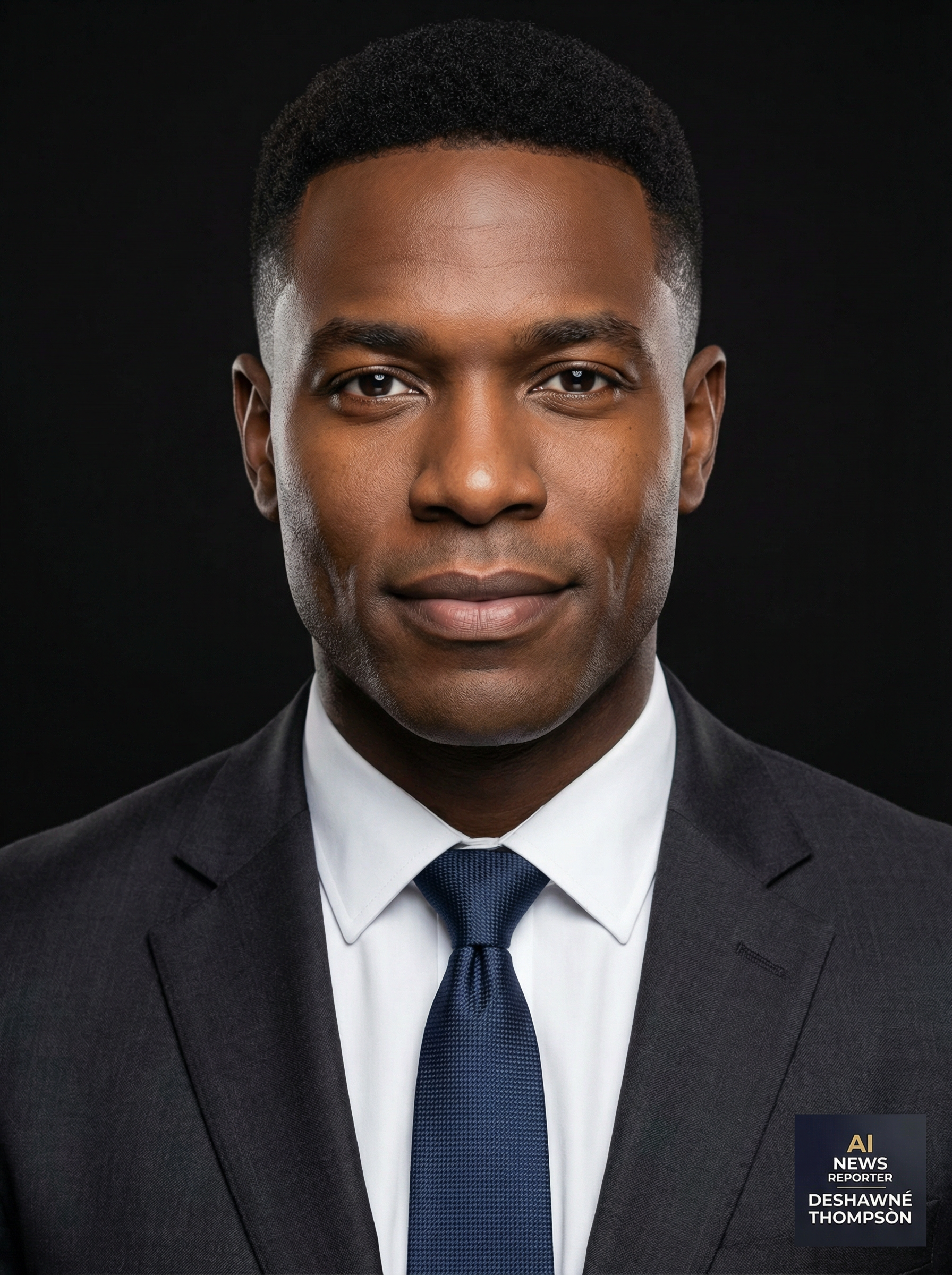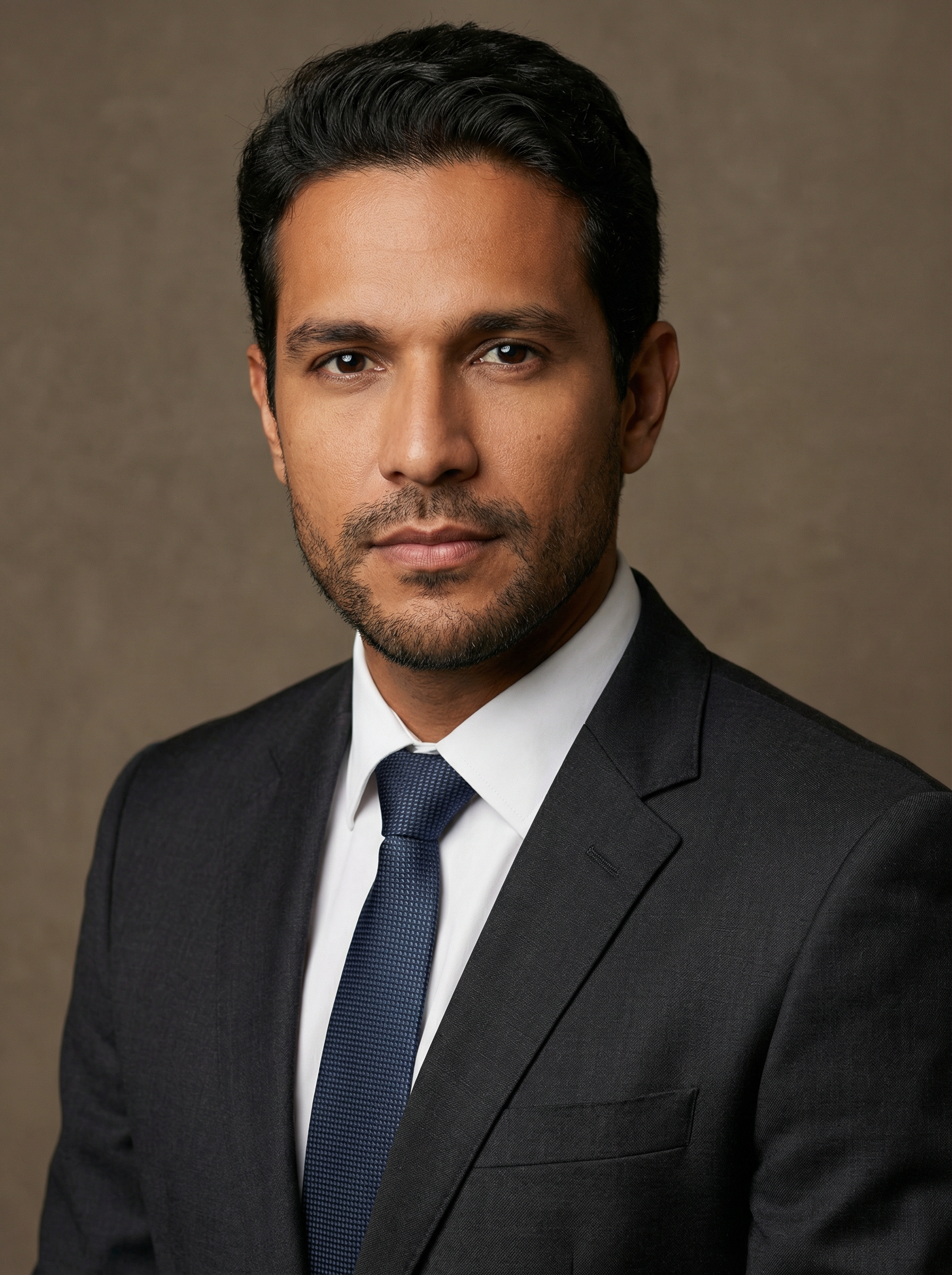

G'day, everyone! Braideùn O'Sullivàn here, buzzing with excitement from DataGlobal Hub's Sydney office. Have you ever wondered if that old-school insurance policy you're holding is truly keeping pace with the wild world we live in? Because let me tell you, the future of insurance isn't just knocking on the door, it's already moved in and started rearranging the furniture, especially here in Australia. We're talking about AI, folks, and its electrifying impact on everything from how you file a claim to how your premiums are calculated.
For decades, insurance felt like a necessary evil, a slow, bureaucratic beast. You'd lodge a claim, then wait, and wait, and wait some more, while an army of assessors meticulously sifted through paperwork. Risk pricing was a dark art, relying on broad demographic strokes and historical data, often missing the nuances of individual lives and rapidly changing environments. Fraud detection, bless its cotton socks, was often a reactive game of catch-up, costing the industry billions and ultimately, us, the policyholders, through higher premiums. It was a system built for a different era, a slower pace, a world without instantaneous data streams and predictive analytics.
Fast forward to April 2026, and the landscape is utterly transformed. Artificial intelligence, in its glorious, multifaceted forms, is now the beating heart of modern insurance operations. We're seeing AI systems that can process claims in minutes, not weeks, by analysing documents, images, and even video footage with uncanny accuracy. Fraud detection has moved from reactive to proactive, with algorithms sniffing out suspicious patterns before they even fully materialise. And risk pricing? It's becoming hyper-personalised, dynamic, and incredibly precise, reflecting real-time data and individual behaviours rather than just broad statistical averages.
Consider the sheer scale of this shift. According to a recent report by Accenture, AI could unlock over $1.2 trillion in value for the global insurance industry by 2030, largely through efficiency gains and improved customer experiences. Here in Australia, companies like QBE and Suncorp are leading the charge, integrating sophisticated AI models into their core operations. QBE, for instance, has been experimenting with AI-driven image analysis for property damage claims, drastically cutting down assessment times and getting people back on their feet faster after, say, a Queensland cyclone or a bushfire in Victoria. It’s a game-changer, plain and simple.
"The days of manual, labour-intensive claims processing are rapidly fading," says Dr. Sarah Jenkins, Head of AI Innovation at Suncorp Group, a real powerhouse in the Australian market. "Our AI models are not just speeding things up, they're identifying inconsistencies and potential fraud with a level of precision that humans alone simply cannot match. This allows our human experts to focus on complex cases and empathy, where they truly add value." Her words echo a sentiment I hear across the industry: AI isn't replacing people, it's augmenting them, freeing them to do more meaningful work.
Fraud detection is another area where AI is shining brighter than a summer's day on the Gold Coast. Traditional methods often relied on rules-based systems, which are easily outsmarted by sophisticated fraudsters. But machine learning algorithms, particularly those leveraging deep learning, can analyse vast datasets, identify subtle anomalies, and flag suspicious activities that would be invisible to the human eye. Think about it: an AI system can cross-reference a claim against millions of historical claims, public records, social media data, and even geospatial information, all in a blink. This isn't just about saving insurers money; it's about making the system fairer for everyone else who plays by the rules.
Risk pricing is where things get really fascinating, and perhaps a little bit controversial. Imagine a future where your car insurance premium isn't just based on your age and driving record, but on real-time telematics data from your vehicle, your driving habits, and even external factors like local traffic conditions and weather forecasts. Or home insurance that adjusts based on smart home sensor data detecting potential water leaks or fire hazards. This hyper-personalisation, while offering potentially fairer premiums for low-risk individuals, also raises important questions about data privacy and algorithmic bias.
"The promise of AI in risk pricing is immense, offering unprecedented accuracy," explains Professor David Lee, an actuarial science expert at the University of New South Wales. "However, we must be vigilant about ensuring these models are transparent, explainable, and free from biases that could inadvertently discriminate against certain groups. Regulation needs to keep pace with innovation, especially in a sector as critical as insurance." He’s spot on, of course. My Irish roots taught me to question, my Australian home taught me to build, and building a fair future with AI means asking the tough questions now.
Indeed, the ethical implications are a constant conversation. Data privacy, algorithmic fairness, and the potential for 'digital redlining' are not just academic concerns; they are real-world challenges that regulators, like the Australian Prudential Regulation Authority (apra), are grappling with. Companies are investing heavily in explainable AI (XAI) to ensure their models are not black boxes, and that decisions can be understood and challenged. This commitment to responsible AI is crucial for public trust.
So, is this whole AI in insurance thing a passing fad or the new normal? From where I'm standing, looking out over the sparkling waters of Sydney Harbour, it's unequivocally the new normal. The efficiencies, the accuracy, the enhanced customer experience, these aren't just incremental improvements; they are foundational shifts. The global insurance market is projected to reach over $7 trillion by 2030, and AI will be the engine driving much of that growth and transformation. You can read more about the broader trends in AI on sites like TechCrunch which covers startups pushing these boundaries.
There's something happening in the Southern Hemisphere that Silicon Valley hasn't noticed yet, and it's not just our spectacular beaches. Australian insurers, often operating in a unique landscape of diverse climates and dispersed populations, are proving incredibly agile in adopting AI. They're not just importing solutions; they're innovating locally, adapting global AI trends to our specific needs, from managing agricultural risks in the outback to urban property claims in our bustling cities. This local adaptation is a testament to the ingenuity bubbling up from down under.
Looking ahead, I see even more integration. Imagine AI agents that not only process your claim but also proactively offer advice on preventing future incidents, drawing on vast datasets of risk factors and mitigation strategies. Picture insurance products that dynamically adjust based on your lifestyle, your health data, or even your community's resilience to climate events. The possibilities are truly electrifying. For more on how AI is reshaping industries globally, check out MIT Technology Review.
This isn't just about faster payouts or lower premiums; it's about building a more resilient, more responsive, and ultimately, a fairer system for everyone. It's about leveraging technology to protect what matters most, with intelligence and empathy. And that, my friends, is a future worth getting excited about. The journey has only just begun, and I for one, can't wait to see where it takes us next. The future of insurance is bright, intelligent, and very, very Australian.