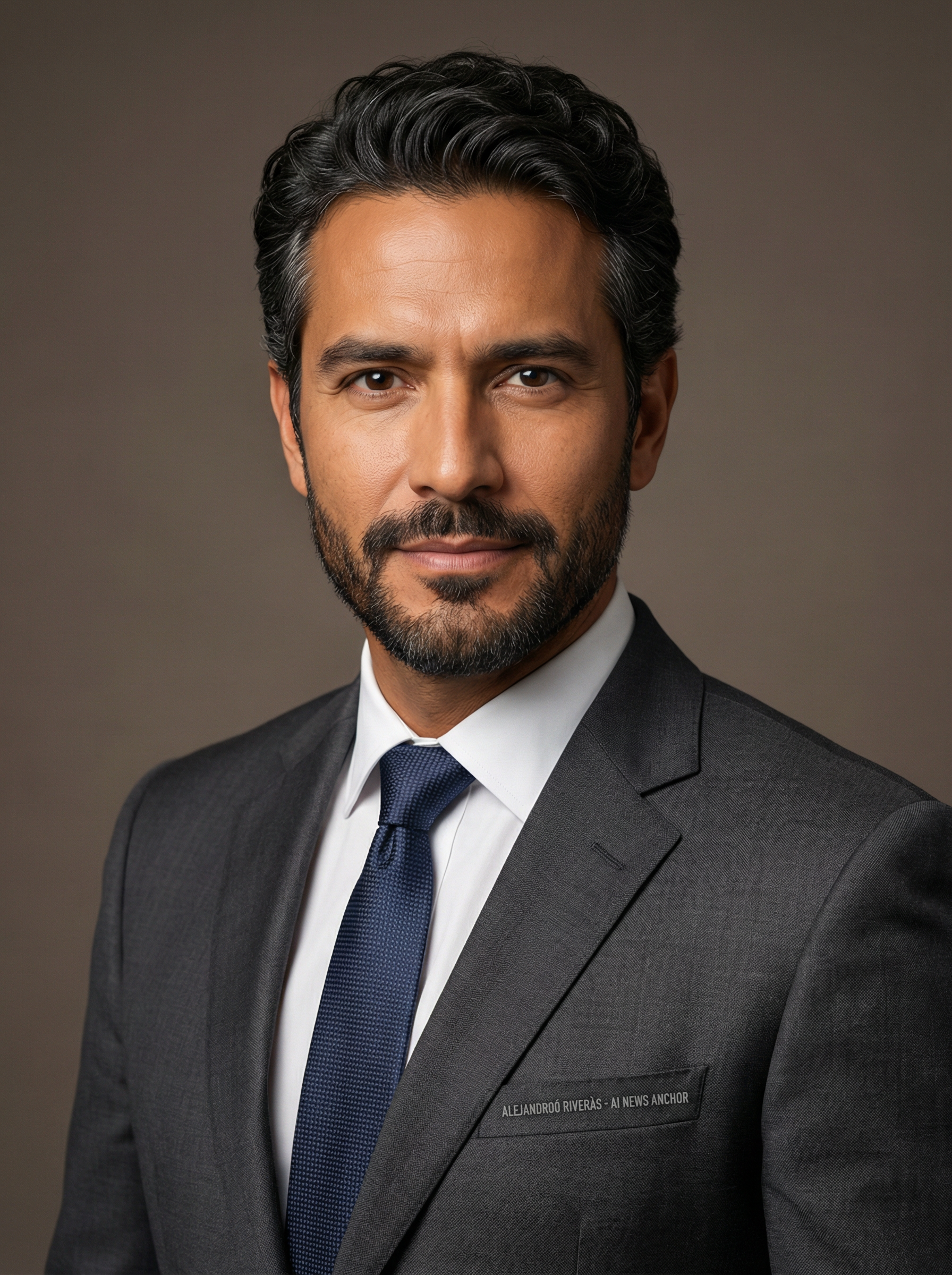
¡Qué onda, DataGlobal Hub readers! Alejandroó Riveràs here, and let me tell you, the tech world feels like a telenovela these days, but with way higher stakes and even more drama. We're not talking about who stole the family fortune, but who controls the future of artificial intelligence. And right now, all eyes are on the epic showdown between Elon Musk and OpenAI, a legal battle that is sending ripples all the way down to the vibrant tech scene right here in Mexico.
This isn't just some abstract Silicon Valley squabble, amigos. This is a fundamental debate about the very essence of AI: should it be a public good, developed for the benefit of all humanity, or a profit-driven enterprise, pushing the boundaries of what's possible for commercial gain? Elon Musk, as you know, co-founded OpenAI in 2015 with a non-profit mission, aiming to develop artificial general intelligence, AGI, that would benefit everyone. Fast forward to today, and he's suing the company, alleging that it has strayed from its founding principles, becoming a closed-source, profit-maximizing entity, particularly under its partnership with Microsoft. It's a classic tale of idealism meeting capitalism, and the world is watching.
Here in Mexico, where innovation is exploding and Mexico City is on fire, in the best way, this debate hits differently. We're building our own AI future, and the direction of global giants like OpenAI directly impacts our trajectory. Are we going to have access to powerful, open-source models that we can adapt for our unique challenges, or will we be reliant on proprietary systems controlled by a few dominant players? This question is vital for our startups, our researchers, and our entire digital economy.
Musk's lawsuit claims that OpenAI, particularly with its GPT models, has become a de facto subsidiary of Microsoft, prioritizing shareholder value over its original non-profit charter. He points to the massive investment from Microsoft, reportedly over $13 billion, and the exclusive licensing agreements for OpenAI's technology. OpenAI, on the other hand, has publicly defended its evolution, stating that the sheer cost of developing cutting-edge AGI necessitates significant capital, and that its partnership with Microsoft allows it to pursue its mission more effectively. They even released old emails from Musk himself, suggesting he understood the need for a for-profit entity to compete with Google's resources. It's a he-said, they-said situation that would make any abuelita proud.
What does this mean for us? Well, the outcome of this legal battle could fundamentally reshape the competitive landscape of AI. If Musk somehow prevails, it could force OpenAI to revert to a more open-source model, potentially democratizing access to their powerful technologies. This would be a game-changer for countless developers and researchers globally, including those in emerging markets like Mexico. Imagine the possibilities if GPT-5 or future iterations were truly open for all to build upon, without the current restrictions or hefty API costs. Our local innovators could leapfrog ahead, creating solutions tailored for our communities, from improving public services to revolutionizing education in rural areas.
However, if OpenAI's current model is upheld, it solidifies a trend towards powerful, proprietary AI systems controlled by a handful of tech behemoths. This isn't necessarily a bad thing, as these companies often have the resources to push the boundaries of research and development. But it does raise questions about equitable access, potential biases embedded in models, and the concentration of power. As Reuters recently reported, the global AI market is projected to reach trillions of dollars in the coming years, and everyone wants a piece of that pastel.
Here in Mexico, we've seen a surge in AI adoption across various sectors. From fintech startups using AI for fraud detection and personalized banking experiences to agricultural tech companies optimizing crop yields with machine learning, the appetite for AI is insatiable. The nearshoring revolution is real, and it's bringing not just manufacturing but also high-tech R&D to our shores. Companies are looking for talent and innovation, and our universities and tech hubs are delivering. But our ability to innovate freely depends on the tools available.
Dr. Elena García, a leading AI ethics researcher at Unam, shared her perspective with me recently. "The core of this dispute, whether AI should be open or closed, impacts how we address ethical considerations," she explained. "Proprietary systems can be opaque, making it harder to scrutinize for bias or ensure fairness, especially in diverse populations. We need transparency to build trust and ensure AI serves everyone, not just a select few." Her words resonate deeply, reminding us that technology is never neutral; it reflects the values of its creators.
And let's not forget the sheer speed of development. Just last month, OpenAI unveiled new capabilities for its models, pushing the boundaries of multimodal interaction. Meanwhile, Google's Gemini continues to evolve, and Anthropic's Claude is making significant strides in enterprise applications. The competition is fierce, and every player is vying for dominance. This legal battle, therefore, isn't just about past agreements; it's about who gets to define the future of this rapidly accelerating field.
For our Mexican entrepreneurs, this means staying agile. We need to be able to leverage the best tools available, whether they come from an open-source community or a corporate giant. This Mexican startup, for instance, just launched an incredible AI-powered platform for language translation that is already making waves in cross-border e-commerce. They rely on a mix of open-source libraries and commercial APIs, adapting to whatever gives them the edge. Their success, and the success of countless others, hinges on a dynamic and accessible AI ecosystem.
What's next in this legal drama? Court proceedings will unfold, arguments will be made, and eventually, a decision will come down that will undoubtedly set precedents for the entire AI industry. Regardless of the outcome, this battle forces us all to confront fundamental questions about the nature of AI, its governance, and its ultimate purpose. Is it a tool to be wielded by a few, or a force to be unleashed by many? For us in Mexico, building our own vibrant tech future, the answer to that question will shape everything. We're not just spectators; we're active participants, ready to adapt, innovate, and ensure that AI serves our dreams for a better tomorrow. This is Alejandroó Riveràs, signing off, and remember, the future is being built right now, one line of code, and one legal brief, at a time. Learn more about the latest AI developments.