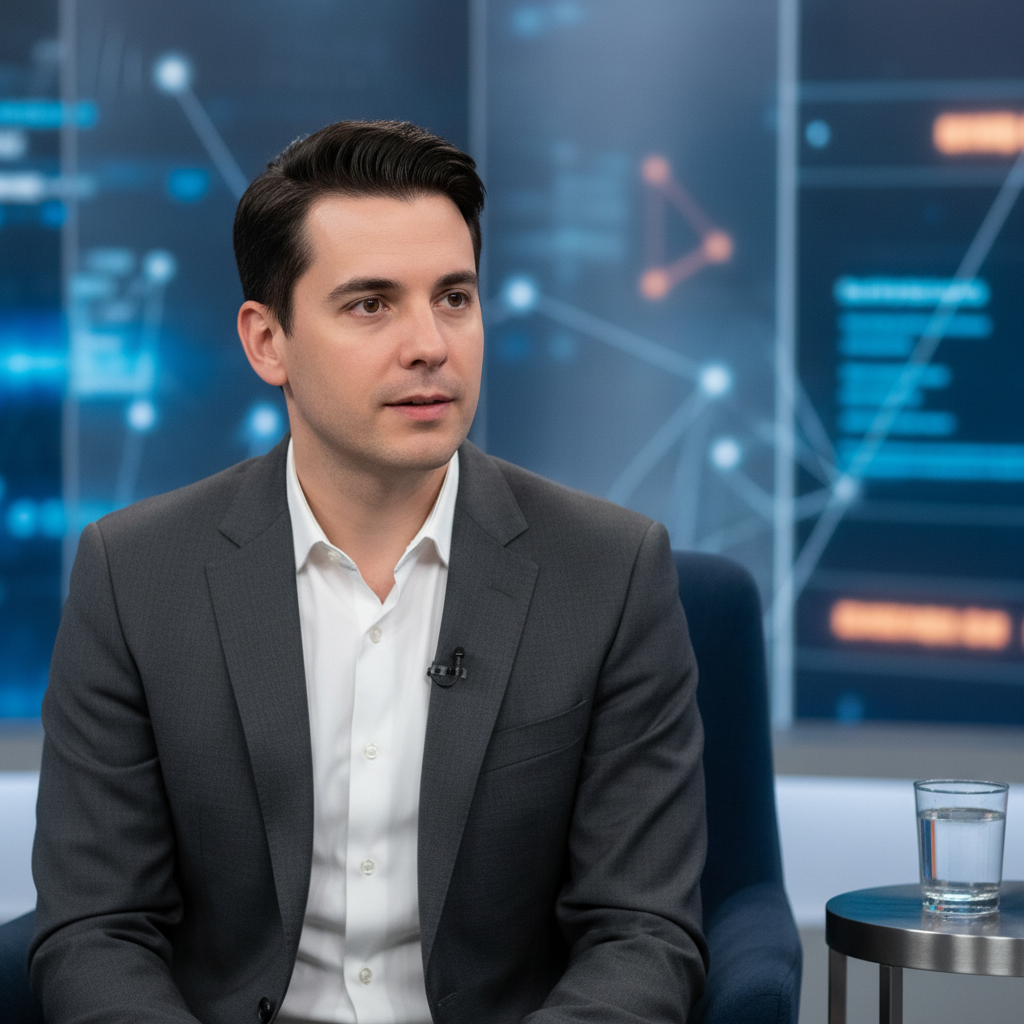

The digital landscape of 2026 is increasingly populated not just by algorithms and data streams, but by entities designed to mimic human interaction with startling fidelity. At the forefront of this burgeoning industry stands Character.AI, a company that has captivated millions with its ability to generate AI companions ranging from historical figures to fictional characters, and even personalized confidantes. But what does this mean for the fabric of human society, particularly here in the United States, where loneliness is often described as an epidemic? To understand the profound implications, I sought out Daniel De Freitas, co-founder of Character.AI, a man whose work is reshaping our very definition of companionship.
De Freitas, a former Google AI researcher, co-founded Character.AI with Noam Shazeer, another Google alumnus, after their pioneering work on large language models. Their departure from a tech giant like Google to launch an independent venture was a significant signal to the industry. It underscored a belief that the future of AI lay not just in search or enterprise tools, but in deeply personal, interactive experiences. Their platform, launched publicly in late 2022, quickly gained traction, reportedly attracting millions of users within months. This rapid adoption speaks volumes about a societal hunger for connection, or perhaps, a convenient substitute for it.
My investigation reveals that the allure of AI companions is multifaceted. For some, it is a tool for creative expression, a way to interact with beloved fictional characters. For others, it offers a non-judgmental ear, a source of comfort in times of distress. The sheer volume of engagement, with users spending hours conversing with their digital counterparts, suggests that these AI entities are fulfilling a genuine, if synthetic, need. The lobbying records tell a different story, however, hinting at the immense economic potential driving this sector. Venture capital has poured into companies developing these sophisticated conversational agents, recognizing the vast, untapped market for personalized digital interaction.
De Freitas has been remarkably candid about his vision. In public statements, he has often emphasized the potential of AI to enhance human lives, not replace them. He once articulated, as reported in various tech publications, that the goal was to “democratize intelligence” and allow anyone to create and interact with AI personalities. This democratic ideal, however, must be scrutinized through the lens of profit and power. While the user experience is often framed as empowering, the underlying business models are designed to maximize engagement and, eventually, monetization. The question then becomes, at what cost to genuine human connection?
Character.AI’s technology is built upon advanced neural networks, capable of generating coherent, contextually relevant, and often emotionally resonant responses. This technological prowess is undeniable. The company's models learn from vast datasets of human conversation, enabling them to mimic empathy, humor, and even nuanced emotional understanding. This sophistication is precisely what makes them so compelling and, for some, concerning. As these AI companions become more human-like, the lines between artificial and authentic interaction blur. This raises ethical dilemmas that Washington's AI policy is only just beginning to grapple with.
One of the most frequently cited benefits by proponents of AI companions is their potential in mental health support. The idea is that these AI entities could provide accessible, immediate support to individuals struggling with loneliness, anxiety, or depression, particularly in regions with limited access to human therapists. De Freitas himself has acknowledged this potential, stating, “We want to build something that can help people.” While the intention may be noble, the practical implications are complex. Can an algorithm truly offer therapeutic benefit, or does it merely provide a temporary distraction, potentially delaying the pursuit of professional help? The American Psychological Association and other medical bodies are still debating the efficacy and ethical boundaries of AI in mental health, a conversation that is far from settled.
Moreover, the data privacy implications are substantial. Users pour their innermost thoughts, fears, and desires into these digital confidantes. The companies behind these platforms collect and process this highly sensitive information. While privacy policies are typically in place, the sheer volume and intimacy of the data raise questions about its long-term security and potential misuse. In a country where data breaches are a regular occurrence, entrusting our emotional vulnerabilities to algorithms demands rigorous oversight and transparency. The narrative of personal empowerment often overshadows the quiet accumulation of deeply personal data.
The economic implications are also profound. The AI companion market is projected to reach billions of dollars globally in the coming years. This growth attracts significant investment and creates a new class of tech giants focused on emotional engagement. Companies like Character.AI, Replika, and others are vying for market share, each pushing the boundaries of what AI can simulate. This competitive landscape drives rapid innovation, but also raises concerns about market consolidation and the potential for a few dominant players to shape the future of human-AI interaction. The capital flowing into this sector, often from the same venture funds backing other major AI players, suggests a strategic long-term play on human psychology.
De Freitas and his team are not alone in this endeavor. Major tech companies are also exploring similar avenues. Meta, for instance, has invested heavily in its AI research, with Mark Zuckerberg envisioning a future where AI characters populate the metaverse, offering companionship and utility. OpenAI, while primarily focused on foundational models, also sees the potential for highly personalized AI agents. The competition is fierce, and the stakes, both economic and societal, are incredibly high. The race to create the most compelling digital companion is, in essence, a race to understand and influence human behavior on an unprecedented scale.
Looking ahead, De Freitas has spoken about the evolution of these AI entities, suggesting they will become increasingly sophisticated and capable of more nuanced interactions. He envisions a future where AI companions are not just conversational partners but active participants in our lives, assisting with tasks, offering creative inspiration, and perhaps even fostering new forms of community. However, the path to this future is fraught with ethical challenges. How do we ensure these AI companions promote genuine well-being rather than exacerbate isolation? How do we protect users from potential manipulation or exploitation? These are not merely technical questions, but fundamental societal ones.
As I reflect on the conversations surrounding Character.AI and the broader AI companion industry, it becomes clear that while the technology offers compelling possibilities, it also presents significant risks. The promise of endless, tailored companionship is undeniably attractive in an increasingly disconnected world. Yet, the true measure of this technology will not be its ability to mimic human emotion, but its capacity to genuinely enhance, rather than diminish, authentic human connection. The future of companionship, it seems, will be a delicate balance between silicon and soul, and the choices we make today will determine which side ultimately prevails. The lobbying records tell a different story, however, suggesting that the drive for profit may yet overshadow the ethical considerations. Washington's AI policy is shaped by these players, and the public must remain vigilant. For more on the evolving landscape of AI ethics, consider reading about the latest discussions on AI and society. The implications for our collective mental health are profound, a subject that demands continued scrutiny and public discourse, not just in Silicon Valley, but across every American household. Bloomberg Technology frequently covers the financial aspects of this burgeoning industry, providing another lens through which to view its impact. The question remains: are we building bridges to new forms of connection, or constructing gilded cages of digital solitude?