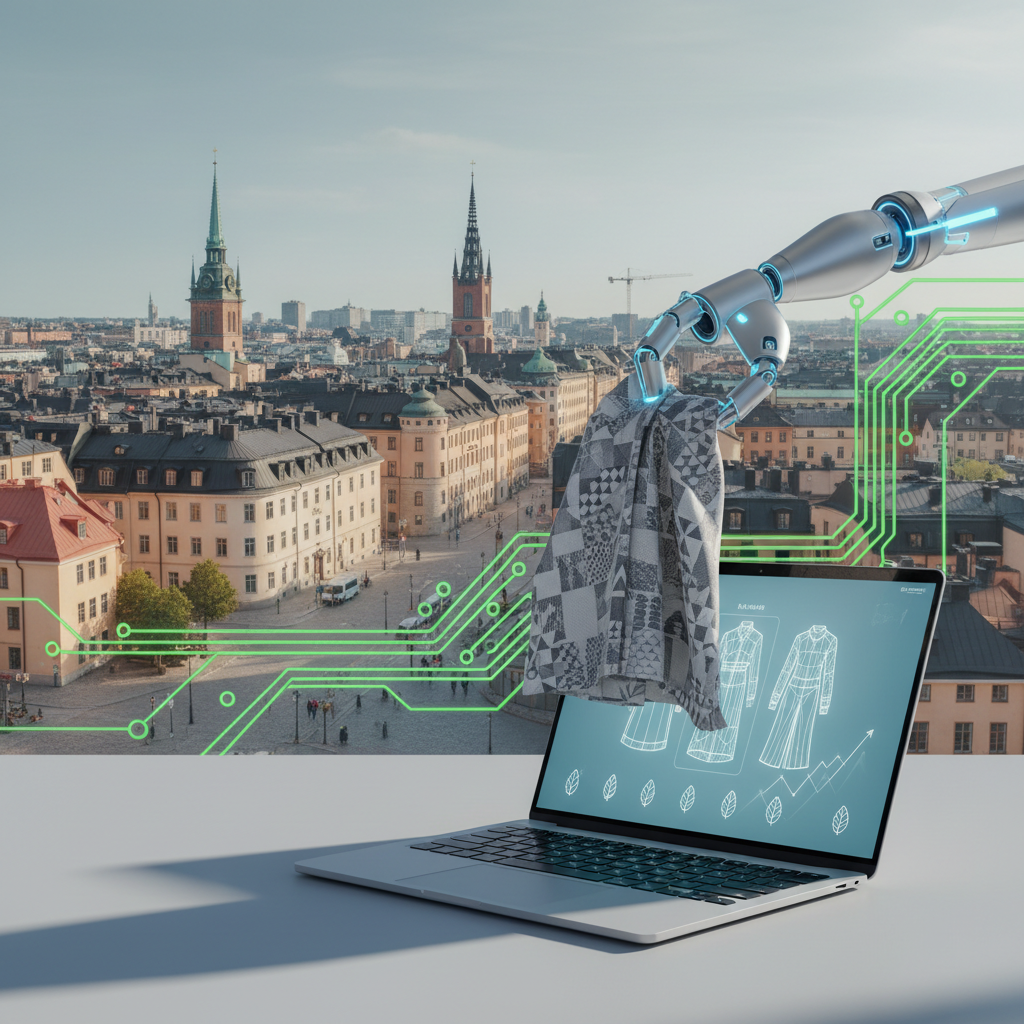

The air in Bucharest crackles with ambition, a familiar scent of opportunity and apprehension. For years, Romania has cultivated a reputation as a vibrant hub for technology, a Silicon Valley of the East, attracting significant foreign investment and nurturing a robust ecosystem of startups. Yet, as the global discourse shifts from AI's boundless promise to the uncomfortable question of whether we are in a dot-com-style bubble, Brussels has acted. The European Union's Artificial Intelligence Act, a landmark piece of legislation, has now entered its implementation phase, casting a long shadow over the very industry it seeks to govern.
This policy move, unprecedented in its scope, aims to categorize AI systems by risk level, imposing strict requirements on high-risk applications in areas like critical infrastructure, law enforcement, and employment. The intent is clear: to foster trust in AI, protect fundamental rights, and ensure ethical development. But who is truly behind this monumental legislative effort, and what are their motivations? My investigation uncovered a complex tapestry of interests, from privacy advocates still reeling from past data breaches to established European industrial giants wary of disruptive American and Chinese AI dominance. The European Commission, driven by a desire for digital sovereignty and a consumer protection ethos, has championed this approach, positioning the EU as a global leader in ethical AI governance. This is not merely about market regulation; it is about shaping the very values embedded in future technologies.
In practice, what does this mean for a country like Romania, which often finds itself navigating the currents between Western European policy and its own unique economic realities? Romanian tech companies, many of which are agile startups or outsourcing powerhouses, now face a labyrinth of compliance. Developing a high-risk AI system, for instance, will require extensive conformity assessments, human oversight mechanisms, robust data governance, and detailed documentation. For a small or medium-sized enterprise, the financial and administrative burden could be substantial. "The AI Act is a necessary step for consumer trust, but its implementation must be pragmatic," stated Dr. Elena Popescu, a leading AI ethics researcher at the Polytechnic University of Bucharest, in a recent interview. "We risk stifling innovation if we do not provide clear guidance and support for our local developers, especially those without the legal departments of a Google or a Microsoft."
The industry reaction, both globally and locally, has been a mix of cautious acceptance and profound concern. Large technology corporations with deep pockets, such as OpenAI and Google, have largely expressed support for regulatory frameworks, often viewing them as a way to legitimize the technology and level the playing field against less scrupulous actors. However, even these giants have voiced concerns about the practicalities and potential for fragmentation across member states. For Romanian startups, the sentiment is more acute. Many fear that the compliance costs will divert precious resources from research and development, making them less competitive against counterparts in regions with lighter regulatory touch. "We are a nation of innovators, not bureaucrats," remarked Andrei Dumitrescu, CEO of a Bucharest-based AI-driven logistics firm, during a recent tech conference. "While we appreciate the intent, the sheer complexity of the AI Act could make it harder for us to attract investment and scale our solutions, potentially pushing us out of the EU market altogether."
Civil society organizations, particularly those focused on human rights and digital liberties, have largely welcomed the AI Act. They view it as a crucial safeguard against algorithmic discrimination, surveillance, and other potential harms. Groups like Access Now and European Digital Rights (EDRi) have been instrumental in advocating for strong protections, arguing that the rapid deployment of AI without proper oversight poses significant societal risks. Their perspective is that the potential for an AI bubble, fueled by speculative investment and unproven promises, only heightens the need for robust regulation. They contend that a market built on ethical foundations is more sustainable in the long run, even if it means a slower pace of development in the short term. This aligns with the broader European philosophy that technological advancement should serve humanity, not the other way around.
So, will it work? Will the AI Act successfully navigate the treacherous waters between fostering innovation and ensuring ethical deployment, particularly in a dynamic market like Romania's? The answer is complex and remains to be seen. On one hand, the Act provides a much-needed legal framework, offering clarity and setting a global precedent for AI governance. It could indeed prevent some of the more egregious abuses and instill greater public trust, which is essential for long-term adoption. On the other hand, the administrative burden on smaller players, the potential for regulatory arbitrage, and the sheer pace of AI development could present significant challenges. The Romanian tech boom hides a darker story of companies struggling with bureaucracy, and this legislation could exacerbate that.
The success of the AI Act in Romania, and across the EU, will hinge on several factors: the clarity of implementing guidelines, the availability of support mechanisms for SMEs, and the willingness of national authorities to interpret the rules flexibly while upholding their spirit. As an investigative journalist, I will be watching closely. The EU funding trail, often a lifeline for regional development, must now also be scrutinized for its role in helping Romanian companies adapt to these new realities. Without targeted support, the AI Act, while noble in its ambition, risks becoming a barrier rather than a bridge for Romania's digital future. The debate over the AI bubble may rage on, but in Europe, the regulatory framework is already taking shape, a testament to a continent that prioritizes caution over unbridled acceleration. For more insights into the broader economic implications of AI, readers might find this article on NVIDIA's Trillion-Dollar Question: Is Jensen Huang Building a Bubble, or the Future of American Industry? [blocked] particularly relevant. The global AI landscape is a mosaic of different approaches, and Europe's is perhaps the most deliberate. The question is whether deliberation will translate into durable growth, or merely slow the inevitable. We are, after all, in a race, and the rules of engagement are still being written, often with a heavy hand from Brussels. For ongoing analysis of the global AI industry, Reuters Technology provides excellent coverage.